Tawau, Malaysia
- 372,615 people
- 13 places to visit
- 4.2447, 117.8912
Places to Visit (13)
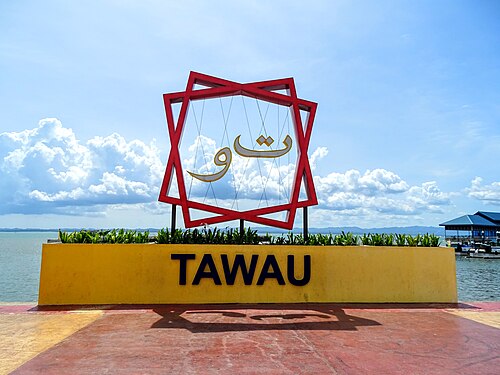
Tawau is a vibrant town located in the southeastern part of the state of Sabah, Malaysia, situated on the island of Borneo. It serves as an important port city and commercial center, connecting Malaysia to various regional markets. With a population of approximately 200,000 people, Tawau is a melting pot of cultures, predominantly comprising Malay, Chinese, and indigenous ethnic groups. The town is known for its diverse culinary scene, which includes a range of local delicacies, such as seafood dishes, dumplings, and traditional Malaysian fare.
Geographically, Tawau enjoys a tropical rainforest climate, characterized by high humidity and significant rainfall, especially from October to December. The surrounding landscape features lush greenery, with nearby attractions including the Tawau Hills National Park, which is home to a variety of flora and fauna, as well as several hiking trails. The town's economy thrives on agriculture, with palm oil, rubber, and cocoa plantations contributing significantly to its development. Additionally, Tawau serves as a gateway to some of Malaysia’s best diving locations, including Sipadan and Mabul Islands, making it popular among tourists and divers seeking pristine marine environments.
Tawau's history dates back to the early 19th century when it emerged as a trading post due to its strategic location. Over the years, it has evolved into an important center for trade and commerce, particularly in the export of timber, fish, and agricultural products. The town also plays a crucial role in the region's education, with several institutions aimed at providing quality education to the local populace. Tawau continues to develop, balancing its rich cultural heritage with modern advancements, ensuring it remains a significant part of Malaysia's economic landscape while appealing to both locals and visitors alike.
Facts about Tawau
- Tawau is known as the 'Gateway to Indonesia' due to its proximity to the Indonesian border, making it a significant hub for trade and travel.
- The Tawau Hills Park, established in 1979, is a notable attraction, featuring a diverse range of flora and fauna, including the rare Rafflesia flowers.
- Tawau has a rich history as a center for cocoa production, being one of the largest cocoa-growing regions in Malaysia, which has significantly contributed to the local economy.
- The city is home to the Tawau Chinese New Year Celebration, one of the largest in Sabah, showcasing vibrant cultural performances and community involvement.
- Tawau is famous for its seafood, particularly the 'Tawau seafood market' which offers a wide variety of fresh seafood options, attracting both locals and tourists.
- The Tawau Mosque, built in 1992, features unique architectural styles and is a prominent landmark in the city, known for its stunning blue domes and serene surroundings.
- Tawau is surrounded by natural beauty, including several nearby islands such as Sipadan and Mabul, which are renowned for their diving spots and marine biodiversity.
- The local economy is also supported by the palm oil industry, with Tawau being a major area for palm oil plantations in Malaysia.
- Tawau has a multicultural community, reflecting the diverse ethnic groups in Malaysia, including Kadazan, Chinese, Indian, and Bajau, contributing to its rich cultural tapestry.
- Tawau is known for its unique blend of the Tamu (traditional market) culture, where locals gather weekly to sell and trade goods, providing a glimpse into the area’s heritage and daily life.