Tbilisi, Georgia
- 1,049,498 people
- 18 places to visit
- 41.6938, 44.8015
Places to Visit (18)
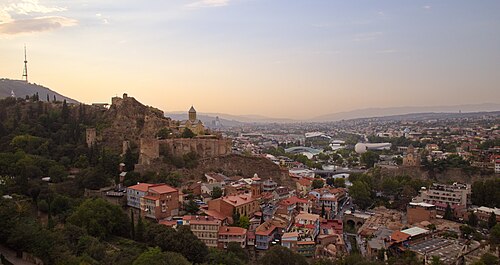
Tbilisi, the capital and largest city of Georgia, is situated in the heart of the South Caucasus region, along the banks of the Kura River. Established in the 5th century, Tbilisi has evolved into a cultural and economic hub characterized by its rich history and diverse architecture that reflects influences from various cultures, due to its strategic location along ancient trade routes. The city's historic Old Town, with its narrow winding streets, colorful wooden balconies, and stunning churches, serves as a testament to its architectural heritage. Notable landmarks include the Narikala Fortress, which offers panoramic views of the city, the historic Tbilisi sulfur baths, and the iconic Peace Bridge, a modern pedestrian bridge that connects different parts of the city.
Tbilisi is also known for its vibrant arts and cultural scene, featuring numerous theaters, galleries, and music venues. The annual Tbilisi International Film Festival highlights the city’s engagement with global cinema, while the Tbilisi Jazz Festival celebrates its rich musical heritage. Tbilisi's culinary scene is equally impressive, offering a variety of local dishes such as khinkali (dumplings) and khachapuri (cheese-filled bread). The city's population is diverse, with ethnic Georgians, Armenians, Azeris, and Russians contributing to its multicultural tapestry. As a modern city, Tbilisi has embraced development while striving to preserve its unique character, making it an attractive destination for tourists and expatriates alike. Its combination of historical charm, lively contemporary culture, and hospitable residents creates a unique atmosphere that draws visitors year-round.
Facts about Tbilisi
- Tbilisi is the capital and largest city of Georgia, known for its diverse architecture that blends Eastern and Western influences.
- The city was founded in the 5th century AD by King Vakhtang I of Iberia, who discovered a warm spring in the area, leading to the establishment of Tbilisi as a major trading hub.
- Tbilisi's Old Town, with its narrow winding streets, wooden balconies, and historic buildings, is a UNESCO World Heritage Site.
- The iconic Narikala Fortress overlooks Tbilisi and is a historic site dating back to the 4th century, offering stunning panoramic views of the city.
- Tbilisi is renowned for its sulfur baths, located in the Abanotubani district, which are famous for their therapeutic properties and have been used since the city’s founding.
- The city hosts the Tbilisi International Film Festival annually, showcasing a wide range of films from both local and international filmmakers.
- Tbilisi's Mother Georgia statue, known as 'Kartlis Deda', symbolizes the city and represents the Georgian spirit of hospitality and strength.
- The city has a vibrant arts scene, with numerous galleries, theaters, and music festivals, making it a cultural hotspot in the region.
- Tbilisi is known for its unique culinary scene, featuring traditional Georgian dishes such as khinkali (dumplings) and khachapuri (cheese bread), which draw food enthusiasts from around the world.
- The Tbilisi Metro, established in 1966, is the only metro system in Georgia and serves as a vital means of transportation for the city's residents.