Tébessa, Algeria
- 194,461 people
- 6 places to visit
- 35.4011, 8.1173
Places to Visit (6)
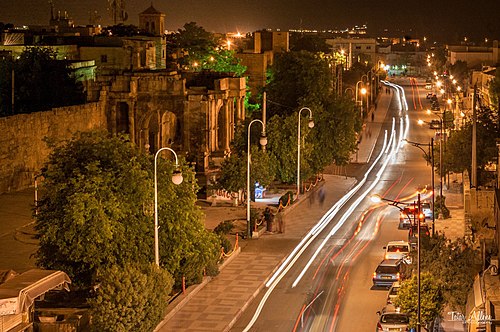
Tébessa is a city located in northeastern Algeria, serving as the capital of the Tébessa Province. Positioned near the border with Tunisia, it is situated at an elevation of approximately 1,000 meters (3,280 feet) in the Aurès Mountains. Tébessa has a rich historical background, having been founded as the Roman city of Theveste. Its historical significance is underscored by the numerous ancient ruins scattered throughout the area, including remnants of Roman architecture such as arches, temples, and typical Roman public baths. The city is known for being a center of trade and culture in antiquity, and it still reflects this heritage through its archaeological sites, which attract both local and international visitors.
In contemporary times, Tébessa is characterized by its blend of Berber and Arab cultures, which is evident in its local traditions, cuisine, and festive celebrations. The economy of Tébessa revolves around agriculture and mining, with the surrounding region rich in mineral resources like iron ore, which is processed in nearby industrial facilities. Additionally, the agricultural sector benefits from the fertile land, allowing for the cultivation of grains, vegetables, and fruits. Despite challenges related to urbanization and economic development, Tébessa maintains its cultural significance and continues to be an important municipality within Algeria, hosting a population that is engaged in preserving its unique historical legacy. The city also plays a role in education, with local institutions providing higher education opportunities to students throughout the region. With its historical depth and contemporary relevance, Tébessa remains a significant landmark in Algeria's diverse tapestry.
Facts about Tébessa
- Tébessa is known for its rich Roman history, featuring the ruins of the ancient Roman city of Theveste, which includes a well-preserved theater and basilica.
- The city is located near the border with Tunisia, making it a significant historical crossroads for trade and cultural exchange between North Africa and Europe.
- Tébessa is famous for its pottery and traditional crafts, which reflect the region's artisanal heritage and influence from various cultures over the centuries.
- The Tébessa region is home to the iconic Djebel Chréa mountain, which stands at 2,300 meters and is a popular destination for hiking and nature photography.
- Tébessa has a thriving agricultural sector, particularly known for its olive oil production and fertile lands that attract farmers from across the country.
- The city is host to an annual cultural festival that celebrates local music, art, and traditional cuisine, showcasing the diversity of Tébessa's culture.
- Tébessa is recognized for its unique blend of Berber, Arab, and French influences, evident in its architecture, language, and culinary traditions.
- The city boasts a vibrant heritage of folklore and traditional dances, which are an integral part of community celebrations and local identity.
- Tébessa is home to several historically significant mosques, including the Great Mosque of Tébessa, which features stunning examples of Islamic architecture.
- The city has been a focal point for archaeological research, with discoveries contributing to the understanding of Roman settlements in North Africa.