Tecamachalco, Mexico
- 28,679 people
- 6 places to visit
- 18.8835, -97.7334
Places to Visit (6)
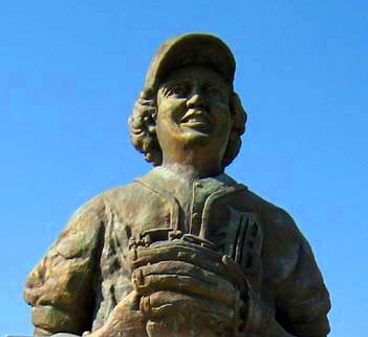
Tecamachalco is a city located in the state of Puebla, Mexico. Situated in the eastern part of the state, it serves as the municipal seat of the Tecamachalco municipality. Historically, the area has roots that date back to pre-Columbian times, with evidence of significant agricultural practices and settlements. The name "Tecamachalco" derives from Náhuatl, meaning "where the corn is cultivated." This reflects the agricultural prominence of the region, which has long been characterized by its production of various crops, particularly maize, which remains a central element of local culture and cuisine.
The city itself is known for its rich cultural heritage, visible in its architecture, festivals, and traditions. Among the notable structures in Tecamachalco are the parish church of San Juan Bautista, built in the 16th century, and various colonial-era buildings that reflect Spain's influence on the region. Tecamachalco hosts several annual celebrations, including religious festivals, where community members gather to honor patron saints with processions, dances, and traditional music. The city's location also provides access to natural landscapes, which are significant for both local agriculture and tourism.
Economically, Tecamachalco thrives on agriculture, with much of its workforce engaged in farming activities. Additionally, the city has seen a gradual increase in commercial development, fostering small businesses and local markets that contribute to the local economy. The city remains a point of interest for those exploring the Puebla region, offering a glimpse into Mexican rural life while maintaining its traditions amid modern influences. As a blend of historical significance, agricultural abundance, and cultural vibrancy, Tecamachalco serves as an essential part of the tapestry of Puebla, making it a unique destination within Mexico.
Facts about Tecamachalco
- Tecamachalco is known for its rich pre-Hispanic history, having been inhabited by indigenous groups such as the Mexica and the Cholulteca.
- The city's name, Tecamachalco, comes from the Nahuatl language, meaning 'place of the thorns'.
- Tecamachalco is home to the historic Church of San Juan Bautista, which showcases colonial architecture and is an important landmark in the region.
- The city hosts an annual festival known as the 'Fiesta de San Juan Bautista', celebrated in June, which attracts visitors from various parts of Mexico.
- Tecamachalco has a notable agricultural sector, particularly known for its production of chilies and corn, contributing to local cuisine and economy.
- Notable for its artisan crafts, Tecamachalco produces traditional handmade pottery and textiles that reflect indigenous techniques and designs.
- The city has a history of agricultural and land reform movements, playing a role in the broader social changes experienced in Mexico during the 20th century.
- Tecamachalco is strategically located between Puebla and Veracruz, making it an important trade hub in the region's transportation network.
- The region around Tecamachalco is characterized by its scenic landscapes, featuring the nearby Sierra Nevada mountain range and lush agricultural fields.
- Tecamachalco is often recognized for its cultural diversity, with influences from various indigenous groups, as well as Spanish colonial heritage.