Tecuci, Romania
- 41,154 people
- 11 places to visit
- 45.8491, 27.4241
Places to Visit (11)
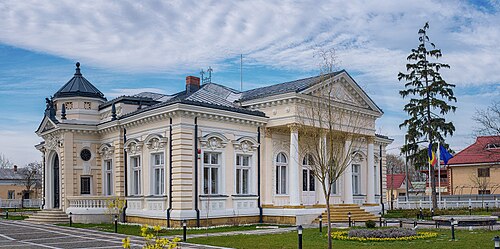
Tecuci is a city located in south-eastern Romania, within the historical region of Moldavia. Situated in Galați County, it lies approximately 30 kilometers southwest of the city of Galați, near the banks of the Siret River. Tecuci has a rich history that dates back to ancient times, with archaeological findings suggesting that the area has been inhabited since the Geto-Dacian period. Over the centuries, Tecuci has evolved from a small settlement into an important urban center, especially noted for its strategic position on trade routes, which facilitated commerce between different regions.
The city's architecture reflects a mix of historical influences, with many buildings showcasing styles from the 19th and early 20th centuries. One notable landmark is the Tecuci Orthodox Church, originally built in the early 1800s, which highlights the city’s religious heritage. Tecuci is also home to several educational institutions, including high schools and vocational training centers, making it a local hub for education. The economy of Tecuci has traditionally been centered around agriculture and trade, but there has been a gradual shift toward light industry and commercial services in recent decades, driven by its growing population and the modernization of infrastructure.
Culturally, Tecuci is known for its vibrant community life, with numerous festivals and events that celebrate local traditions and history. The city hosts an annual fair that attracts visitors from surrounding areas, showcasing local crafts, cuisine, and artisanal products. Additionally, various parks and recreational facilities offer residents and visitors opportunities for outdoor activities. Despite the challenges faced by many Romanian towns, such as economic fluctuations and population decline, Tecuci continues to strive for development, maintaining its historical significance while adapting to contemporary demands.
Facts about Tecuci
- Tecuci is known for its rich history dating back to ancient times, with evidence of habitation from the Dacian era.
- The city is famous for the Tecuci Stone, a historical monument that showcases the region's cultural significance.
- Tecuci is home to several architectural landmarks, including the 19th-century Church of St. George, which features unique Byzantine-style elements.
- The local museum, Muzeul de Istorie 'Teodor Cazaban', contains extensive collections that highlight the city's historical and ethnographic heritage.
- Tecuci hosts an annual cultural festival called 'Zilele Tecuciului' which promotes local traditions and arts.
- The city was an important center for the Romanian independence movement in the 19th century, with notable figures contributing to its cause from the area.
- Tecuci is unique for its strategic location at the intersection of several important transportation routes, linking it to major cities in Romania.
- The city has a vibrant agricultural community, known for producing high-quality fruits and vegetables, particularly plums and grapes.
- Tecuci features a variety of parks and green spaces, including the popular Municipal Park, which is a central hub for community activities.
- The local economy benefits from a blend of agriculture, manufacturing, and small businesses, making it a diverse economic center within the region.