Tegal, Indonesia
- 282,781 people
- 9 places to visit
- -6.8588, 109.1048
Places to Visit (9)
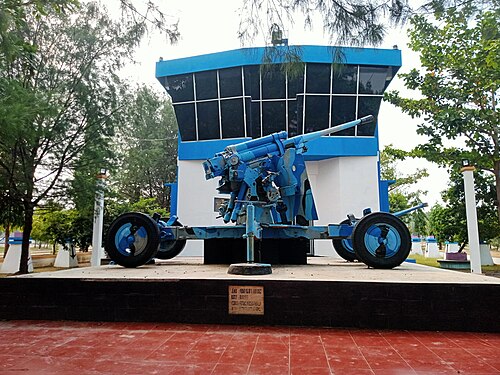
Tegal is a city located in Central Java, Indonesia, and serves as the administrative center of the Tegal Regency. Situated on the northern coast of Java, Tegal plays a significant role in the region's economic and cultural landscape. Its geographical position along the Java Sea contributes to its status as a critical transport hub, connecting various parts of the island through both land and sea routes. The city enjoys a tropical climate, characterized by distinct wet and dry seasons, which supports its agricultural activities. Rice, fruits, and various vegetables are commonly cultivated in the surrounding areas, strengthening the local economy.
Historically, Tegal is noted for its strategic importance as a harbor town during the colonial era, particularly under Dutch rule. The city is renowned for its unique cultural heritage, influenced by a mix of Javanese, Chinese, and Dutch cultures. Traditional crafts, such as batik and wood carving, are prominent in the region, showcasing the artistic identity of Tegal. The local cuisine is also diverse, with notable dishes that reflect the mixture of cultural influences, such as Tegal-style fried rice and seafood specialties. Tegal is also home to the Tegal Monosodium Glutamate (MSG) industry, which boosts local employment and contributes to the city’s economy.
In recent years, Tegal has evolved, experiencing urban development and improvement in infrastructure. The city is equipped with educational institutions, healthcare facilities, and recreational areas that cater to residents and visitors. Efforts towards sustainable urban planning and tourism development have also gained momentum, promoting Tegal as an attractive destination for both domestic and international tourists. With its rich heritage, economic potential, and strategic location, Tegal stands as an important city within Central Java, embodying a blend of tradition and modernity.
Facts about Tegal
- Tegal is known for its distinctive culture, particularly the 'Bubur Tegal', a local rice porridge that is a staple food in the region.
- The city has a historic tradition of salt production, which dates back hundreds of years, making it one of the important salt-producing areas in Indonesia.
- Tegal is famous for the 'Tegal Mud Wrestling Festival' held annually, showcasing local wrestling traditions and drawing participants from various regions.
- The architecture of Tegal includes a mix of colonial influences and traditional Javanese styles, particularly visible in the historic buildings and town square.
- Tegal is home to the 'Sambirata' water spring, which is believed to have healing properties, drawing visitors seeking both adventure and wellness.
- The city is part of the broader Central Java region but has a unique dialect known as 'Tegal', which is distinct from other Javanese dialects.
- Tegal's economy is significantly driven by its fishing industry, thanks to its strategic coastal location along the Java Sea.
- The city celebrates its 'Tegal Carnival', a vibrant festival featuring traditional music, dance, and local crafts, highlighting the region's rich cultural heritage.
- Tegal is recognized for its production of various types of snacks and food products, including 'Kerupuk Tegal', a popular type of shrimp cracker.
- The local government has invested in sustainable tourism initiatives, promoting Tegal's natural beauty and cultural experiences while preserving its environment.