Tegucigalpa, Honduras
- 850,848 people
- 4 places to visit
- 14.0651, -87.1715
Places to Visit (4)
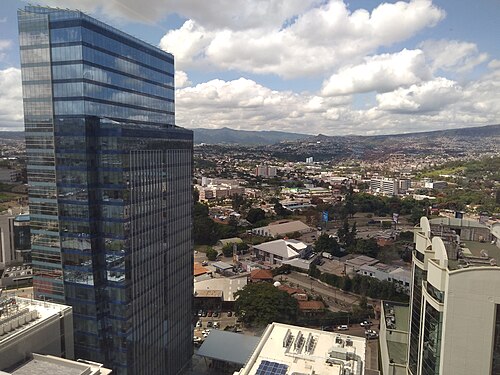
Tegucigalpa, the capital and largest city of Honduras, is situated in the country's mountainous central region. Established during the Spanish colonial period in 1578, it originally served as a mining town due to the rich silver deposits in the surrounding area. Today, Tegucigalpa is a vibrant city characterized by a mix of historical architecture and modern infrastructure. The city is divided into various districts, with notable areas such as the historic downtown featuring colonial buildings, churches, and plazas, most prominently the Church of San Miguel and the Cathedral of Tegucigalpa. The landscape is dominated by the surrounding hills, including El Picacho, which offers panoramic views of the city.
Tegucigalpa serves as the political, cultural, and economic hub of Honduras. It hosts important institutions such as the National Congress, the Presidential Palace, and various ministries. The city plays a crucial role in the nation’s economy, with sectors like commerce, banking, and services driving growth. Tegucigalpa is also an educational center, housing several universities, including the National Autonomous University of Honduras, which is the largest in the country. However, despite its many attributes, the city faces significant challenges, including urban poverty, violence, and inadequate infrastructure. Efforts to improve urban living conditions and promote safety are ongoing as the government and various organizations work to address these issues for the city's growing population.
Culturally, Tegucigalpa is home to a wealth of traditions, festivals, and museums that reflect its rich history and diverse population. The city celebrates various cultural events, such as the Fair of San Miguel, which honors the city's patron saint with parades, music, and food, showcasing the city’s vibrant culture and community spirit. Additionally, Tegucigalpa has a burgeoning art scene, with various galleries and cultural spaces fostering local artists. Despite the challenges it faces, Tegucigalpa remains a city of resilience, marked by its rich history, diverse culture, and the indomitable spirit of its residents.
Facts about Tegucigalpa
- Tegucigalpa is the capital and largest city of Honduras, serving as the political, administrative, and economic center of the country.
- The city was founded in 1578, making it one of the oldest cities in Honduras and rich in colonial history.
- Tegucigalpa is located in a valley surrounded by mountains, specifically the Tegucigalpa Mountain Range, which contributes to its unique topography.
- One of Tegucigalpa's notable landmarks is the La Paz Cathedral, a historic church that dates back to the colonial era and features stunning neoclassical architecture.
- The National Pantheon of the Honduran Nation is located in Tegucigalpa, which serves as a mausoleum for the country’s most distinguished citizens.
- Tegucigalpa is home to the National University of Honduras, the largest and most significant university in the country, attracting students from across the region.
- The city hosts the Feria Juniana, an annual festival celebrated in June that includes parades, cultural events, and traditional music, showcasing the rich cultural heritage of Honduras.
- Tegucigalpa has a diverse population, which reflects various Indigenous and mestizo influences, making it a melting pot of cultures.
- The city was the site of significant historical events, including the 1954 and 1975 military coups, which shaped the political landscape of Honduras.
- Tegucigalpa is known for its vibrant street art scene, with murals and graffiti that express local culture and social issues, distinguishing it from other cities in Honduras.