Tehran, Iran
- 7,153,309 people
- 10 places to visit
- 35.7219, 51.3347
Places to Visit (10)
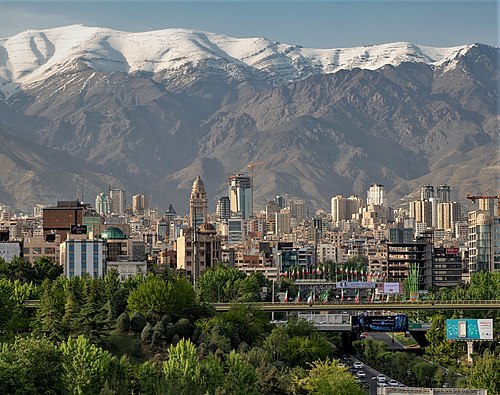
Tehran, the capital city of Iran, is the political, economic, and cultural heart of the country. Nestled at the foot of the Alborz mountain range in the northern part of Iran, it sits at an elevation of roughly 1,200 meters (4,000 feet) above sea level. With a population exceeding 8 million in the city proper and approximately 14 million in the metropolitan area, Tehran is one of the largest cities in the Middle East. Its diverse landscape features modern high-rise buildings, traditional Persian architecture, and expansive parks, reflecting a mix of its historical roots and contemporary urban development.
Tehran has a rich history dating back to at least the 9th century, but it was officially designated as the capital in 1796 during the Qajar dynasty. The city has since transformed into a bustling metropolis that retains elements of its historical heritage, with many museums, palaces, and bazaars showcasing Persian art and culture. Notable sites include the Golestan Palace, a UNESCO World Heritage site, and the National Museum of Iran, which houses artifacts spanning millennia. Tehran also plays a vital role in Iran's economy, housing key industries, universities, and foreign embassies. Despite its rapid modernization and expansion, the city faces challenges such as air pollution, traffic congestion, and social issues, which continue to impact the quality of life for its inhabitants.
The cuisine, culture, and lifestyle of Tehran reflect the diversity of its population, which includes various ethnic groups such as Persians, Kurds, and Azeris. The city is known for its vibrant arts scene, encompassing theater, music, and film, with many cultural institutions dedicated to these forms of expression. Traditional tea houses offer a glimpse into Persian social life, while contemporary cafes and restaurants cater to modern tastes. Moreover, Tehran's public transport system, including an extensive metro network, provides residents and visitors with access to the city’s numerous attractions. Overall, Tehran serves as a dynamic and multifaceted metropolis that embodies the past, present, and future of Iran.
Facts about Tehran
- Tehran is the capital city of Iran and serves as its political, economic, and cultural center.
- The city is home to the tallest tower in Iran, the Milad Tower, which stands at 435 meters and has an observation deck offering panoramic views of the city.
- Tehran features a diverse population with over 8 million residents, making it the largest city in Iran and one of the most populous cities in the Middle East.
- The city has a rich history with several historic palaces, such as the Golestan Palace, a UNESCO World Heritage Site showcasing Qajar-era architecture and gardens.
- Tehran hosts the Tehran Museum of Contemporary Art, which houses one of the most significant collections of modern art in the world, including works by artists like Picasso and Van Gogh.
- The Tehran Metro, inaugurated in 1999, is one of the largest urban transit systems in the Middle East, providing efficient transportation for millions of residents.
- Tehran is the center of education in Iran, hosting numerous universities, including the University of Tehran, which is the oldest and most prestigious university in the country.
- The city has a unique cultural scene, known for its vibrant arts, including traditional Persian music and contemporary theater.
- Tehran experiences a distinct contrast of traditional and modern architecture, evident in neighborhoods like Darband, which combines historical sites with modern cafes and restaurants.
- The annual Tehran International Book Fair is one of the largest book fairs in the Middle East, drawing publishers and book lovers from around the world.