Tehuacán, Mexico
- 248,716 people
- 17 places to visit
- 18.4665, -97.4004
Places to Visit (17)
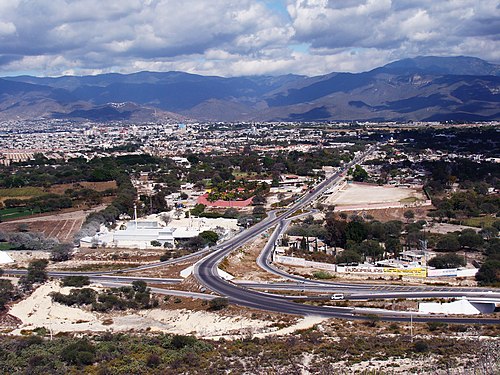
Tehuacán is a city located in the state of Puebla in central Mexico, known for its historical significance and cultural heritage. The name Tehuacán is derived from the Nahuatl language, meaning "place of water". It is renowned for its rich archaeological history, including the Tehuacán Valley, which is one of the earliest sites for the domestication of plants in Mesoamerica. This region has been inhabited for thousands of years, with archaeological evidence indicating the presence of ancient civilizations, including the Olmecs and later the Mixtecs. The area is celebrated for its biodiversity, particularly the cultivation of various species of cacti and other plants that thrive in its semi-arid climate.
In contemporary times, Tehuacán is a vibrant city that serves as the economic hub of the surrounding region. The economy is primarily based on agriculture, with the cultivation of crops such as corn, beans, and chilies being prevalent. The region is particularly famous for its production of Tehuacán mineral water, which has been bottled and distributed widely. This mineral water, sourced from local springs, is well-regarded for its taste and purported health benefits. The city also promotes its cultural heritage through festivals and events that highlight traditional music, food, and crafts, attracting both domestic and international tourists. Despite facing challenges such as water scarcity and infrastructure development, Tehuacán continues to thrive as a community that balances modernization with its rich historical legacy, making it a significant location in Mexico's cultural landscape.
Facts about Tehuacán
- Tehuacán is known for its historical significance as one of the oldest inhabited areas in Mexico, with archaeological sites dating back over 10,000 years.
- The region is famous for its production of high-quality mineral water, specifically the Tehuacán mineral water, which is recognized locally and internationally.
- Tehuacán is home to the Tehuacán-Cuicatlán Biosphere Reserve, a UNESCO World Heritage site recognized for its rich biodiversity and unique ecosystem of cacti and other flora.
- The city played a crucial role in the development of agriculture in Mesoamerica and is considered the birthplace of domesticated crops such as maize and various types of beans.
- Tehuacán hosts the annual 'Feria de Tehuacán', a traditional fair celebrating the region's rich culture, agricultural products, and artisan crafts, distinguishing it from many other local festivals.
- The Tehuacán region has a climate that supports unique forms of traditional agriculture, notably the cultivation of amaranth and other ancient grains.
- Tehuacán's historical architecture features colonial buildings, including the beautiful 16th-century Church of Santo Domingo, showcasing the city's rich colonial history.
- The city has a vibrant tradition of handicrafts, particularly in textiles and pottery, which reflect the indigenous heritage and artistry of the region.
- Tehuacán is located near the Sierra Negra mountain range, providing access to stunning natural landscapes, hiking opportunities, and outdoor activities that set it apart from other urban areas.
- The city is recognized as a center for traditional medicine, with many local practitioners utilizing indigenous healing practices that have been maintained over generations.