Temuco, Chile
- 238,129 people
- 14 places to visit
- -38.7384, -72.5905
Places to Visit (14)
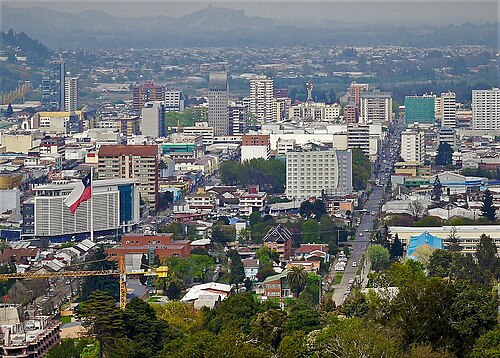
Temuco is a city located in the southern part of Chile, serving as the capital of the La Araucanía Region. Situated approximately 670 kilometers south of Santiago, the capital city of Chile, Temuco is a significant administrative and economic hub within the region. The city lies at the confluence of the Cautín River and the Maquehue River, with a temperate oceanic climate characterized by cool, wet winters and warm, dry summers. Founded in 1881, Temuco has grown rapidly due to an influx of settlers, particularly from Europe, and has become an important center for commerce, agriculture, and education in southern Chile.
Culturally, Temuco is a blend of indigenous Mapuche heritage and influences from European immigrants, contributing to its unique identity. The city hosts various cultural events and festivals that celebrate this diversity, such as the annual Festival Internacional de la Canción de Temuco. Temuco also features several museums, art galleries, and theaters that promote local artists and provide insight into both contemporary and historical contexts. The economy is driven by agriculture, forestry, and trade, with significant contributions from local industries including timber, agriculture, and livestock. Additionally, Temuco is known for its vibrant food scene, offering traditional Chilean dishes as well as options reflecting the culinary influences of the region.
Temuco is an important educational center, home to several universities and technical institutes that attract students from across Chile and beyond. The city is also a gateway to the stunning natural beauty of the surrounding Araucanía Region, which includes national parks, volcanoes, and lakes, making it a popular destination for eco-tourism and adventure seekers. Visitors often explore the nearby Conguillío National Park and enjoy outdoor activities such as hiking, fishing, and skiing in the winter months. In recent years, Temuco has been focused on sustainable development initiatives to preserve the local environment while promoting economic growth, showcasing the city's commitment to balancing progress with ecological responsibility.
Facts about Temuco
- Temuco is known as the capital of the Araucanía Region and reflects a unique blend of indigenous Mapuche culture and modern Chilean urban life.
- The city was founded in 1881, becoming one of the last major cities to be established in Chile during the late 19th century.
- Temuco serves as a central hub for accessing the scenic beauty of the Lakes District, including the nearby Villarrica National Park.
- The city's bustling market, called Feria Pinto, is famous for its artisanal Mapuche handicrafts and traditional foods, distinguishing it from other urban markets in Chile.
- Temuco is home to the Monumento Natural Cerro Ñielol, a natural sanctuary that offers panoramic views of the city and the surrounding area, promoting local biodiversity.
- The city prides itself on being a cultural center for Mapuche traditions, including music, dance, and cuisine, which are showcased in local festivals throughout the year.
- Temuco is the birthplace of notable Chilean figures, including Pablo Neruda, the renowned poet and Nobel Laureate, who was born in the nearby town of Parral but spent time in Temuco.
- The city hosts the Araucanía International Film Festival (FICValdivia), promoting both national and international cinema and fostering the local arts scene.
- Temuco features the only major urban gondola transit system in Chile, called 'Teleférico de Temuco,' enhancing its public transportation options.
- The city has experience in hosting significant cultural and sports events, including the Southern Chilean Music Festival, which highlights local talent and diversity.