Tenri, Japan
- 71,052 people
- 6 places to visit
- 34.5967, 135.8374
Places to Visit (6)
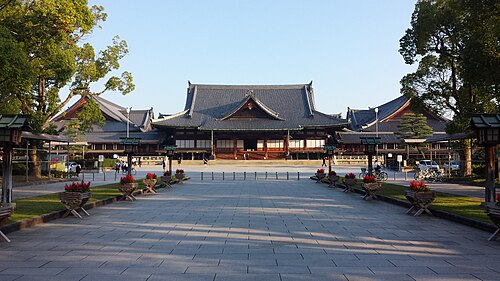
Tenri is a city located in Nara Prefecture, Japan, situated in the Kansai region. This city was established in 1956 and is known for its rich cultural heritage and historical significance. Nestled among rolling hills and scenic landscapes, Tenri is often associated with the Tenrikyo religion, a faith founded in the 19th century by Miki Nakayama, who is regarded as the originator of the religion. The headquarters of Tenrikyo, known as the Tenrikyo Church, is located in Tenri and serves as a center for its followers. The presence of the church has contributed significantly to the city’s identity and economic activities, as well as attracting visitors interested in the spiritual and cultural aspects of the region.
In addition to its religious significance, Tenri boasts several historical and cultural sites. The city is home to the historical site of the Tenri Sports Village, which hosts a variety of sports facilities and events and promotes athletic activities. Tenri University, founded in 1965, further enhances the city’s educational landscape, offering various programs and contributing to local development. The city also preserves traditional Japanese architecture and participates in various festivals that highlight its cultural heritage. The annual Tenri Festival showcases music, dance, and traditional activities that celebrate the city's rich traditions. With a population of approximately 70,000 residents, Tenri combines modern urban living with a deep sense of history and community spirit, making it a unique destination in Japan. The surrounding countryside and proximity to historical sites in Nara, such as Todai-ji Temple and Kasuga-taisha Shrine, offer further exploration opportunities for visitors and residents alike.
Facts about Tenri
- Tenri is known for being the home of the Tenrikyo religion, which was founded in the 19th century by Miki Nakoyama and emphasizes the importance of joy and mutual support.
- The city hosts the Tenrikyo Church Headquarters, which is the central place of worship for followers of the faith and attracts numerous visitors each year.
- Tenri's unique architecture includes the impressive main sanctuary (Honseki) of the Tenrikyo religion, recognized for its distinctive design and spiritual significance.
- The city's annual Tenri Tenrikyo Festival celebrates its religious heritage and features parades, traditional music, and dances, bringing the community together.
- Tenri is also home to the Tenri University, which is particularly known for its physical education and sports programs, having produced many athletes.
- The city has a historical association with the ancient road of Yamato, which played a significant role in the early unification of Japan during the Yamato period.
- With a rich natural backdrop, Tenri is bordered by picturesque mountains, making it a scenic destination for outdoor activities such as hiking and cycling.
- Tenri's cultural attractions include the Tenri Museum, which showcases archaeological finds, including artifacts from the ancient Kofun period.
- The area is known for its delicious local cuisine, featuring unique dishes that highlight seasonal ingredients and traditional cooking methods.
- Tenri's unique blend of modern city amenities with deep-rooted cultural and historical heritage sets it apart from many other urban areas in Japan.