Teotihuacán de Arista, Mexico
- 23,325 people
- 8 places to visit
- 19.6861, -98.8716
Places to Visit (8)
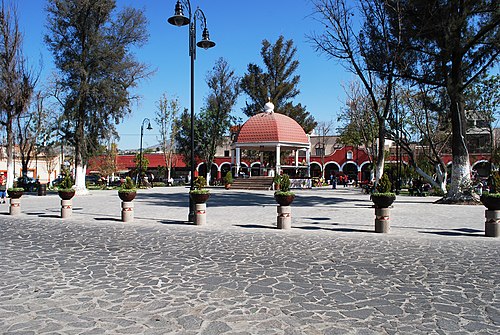
Teotihuacán de Arista is a captivating city located in the State of Mexico, approximately 40 kilometers northeast of Mexico City. Renowned for its rich historical heritage, it shares its name with the ancient Mesoamerican city of Teotihuacan, a UNESCO World Heritage site famous for its monumental architecture and archaeological significance. The modern city of Teotihuacán de Arista, which emerged in the mid-20th century, serves as a gateway for visitors exploring the ancient ruins. The population of the city is around 45,000, and it plays a vital role in the economy of the region through tourism, agriculture, and local artisanal industries.
The ancient Teotihuacan, believed to have been established around 200 BCE, is one of the most significant pre-Columbian cities in the Americas. It peaked between the first and seventh centuries, known for its large pyramids, such as the Pyramid of the Sun and the Pyramid of the Moon, as well as the Temple of the Feathered Serpent, also called the Temple of Quetzalcoatl. The urban planning of Teotihuacan is notable for its wide avenues, including the Avenue of the Dead, and its complex residential areas, which indicate a sophisticated society with a diverse population. Archaeological excavations have uncovered numerous murals, artifacts, and evidence of extensive trade networks, showcasing the city’s cultural and economic importance.
The modern city also embraces its historical roots and serves as a base for tourists eager to explore the archaeological zone. Teotihuacán de Arista hosts various festivals and events that celebrate local culture, alongside the historical heritage of the ancient site. Visitors can enjoy traditional cuisine, handicrafts, and guided tours that provide insights into the rich tapestry of life in this significant area. The city's proximity to Mexico City makes it an attractive destination for both domestic and international tourists, further emphasizing its role in preserving and promoting the cultural legacy of the ancient Teotihuacan civilization.
Facts about Teotihuacán de Arista
- Teotihuacán de Arista is home to the ancient Mesoamerican city of Teotihuacán, known for its iconic pyramids, including the Pyramid of the Sun and the Pyramid of the Moon.
- The city was one of the largest urban centers in the ancient world, reaching a population of over 100,000 at its peak in the first half of the first millennium AD.
- Teotihuacán is known for its unique architectural layout, featuring a grid-like street plan and monumental complexes centered around the Avenue of the Dead.
- The origin of the name 'Teotihuacán' translates to 'the place where the gods were created,' reflecting its significant role in ancient Mesoamerican religion and cosmology.
- It was a major cultural and economic hub, influencing other civilizations throughout Mesoamerica, including the Aztecs who revered its ruins long after its decline.
- Teotihuacán is recognized as a UNESCO World Heritage Site since 1987, highlighting its global cultural significance and the need for preservation.
- The murals found in the residential complexes of Teotihuacán depict a rich tapestry of life, mythology, and cosmology that are vital for understanding the era's culture.
- Unlike many other ancient sites in Mexico, Teotihuacán was not built by any single ethnic group but was a melting pot of various cultures and influences.
- The ancient city was abandoned around the 7th or 8th century, but its mystery surrounding why it was abandoned still intrigues researchers today.
- Teotihuacán remains a popular tourist destination, attracting millions of visitors each year who come to explore its vast archaeological landscape.