Tepeaca, Mexico
- 27,449 people
- 14 places to visit
- 18.966, -97.8994
Places to Visit (14)
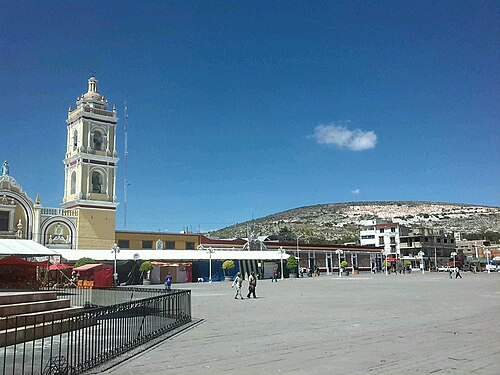
Tepeaca is a municipality and city located in the state of Puebla, Mexico. Known for its rich history and cultural heritage, Tepeaca has a population of approximately 18,000 residents. The city is situated around 30 kilometers northeast of the city of Puebla and serves as an important agricultural and commercial center in the region. The area is characterized by its diverse landscapes, which include mountains, valleys, and fertile plains, making it conducive to farming. Tepeaca is particularly noted for its production of crops such as corn, beans, and various fruits, contributing to its economy and food supply.
Historically, Tepeaca has been significant since pre-Columbian times when it was inhabited by various indigenous groups. The name "Tepeaca" originates from the Nahuatl language, meaning "place of hills." The town played a vital role during the Spanish colonization in the 16th century, with many colonial buildings and churches still standing today, reflecting its architectural heritage. Among these, the Church of San Francisco stands out, exemplifying the Baroque style that is prominent in Puebla. Tepeaca is also known for its annual celebrations, such as the feast of the town's patron saint, providing a glimpse into its traditions and community spirit.
In contemporary times, Tepeaca has developed infrastructure that supports its agricultural base while attracting commerce. The municipality is part of the larger Puebla metropolitan area, and it benefits from road connectivity and proximity to major urban centers. Although it has undergone modernization, Tepeaca retains its cultural identity, with festivals, markets, and local customs deeply rooted in the community's way of life. This blend of history, culture, and economic activity makes Tepeaca a noteworthy destination for those interested in exploring traditional Mexican towns and their significance within the broader context of Puebla's development.
Facts about Tepeaca
- Tepeaca is known for its pre-Hispanic history, with archaeological sites that date back to the Olmec and Tlaxcalan civilizations.
- The city is famous for its traditional cuisine, particularly for its unique dish called 'sopes de chicharrón', made with pork cracklings.
- Tepeaca is home to the 16th-century Temple of San Francisco, an architectural gem that showcases colonial Spanish style and influences.
- Each year, Tepeaca hosts the Feria de San Francisco, a cultural festival that includes music, dance, and artisan crafts, attracting visitors from across the region.
- The town played a significant role in Mexican history during the War of Independence, with local leaders becoming prominent figures in the struggle against Spanish rule.
- Tepeaca's central plaza is surrounded by several historic buildings, making it a focal point for cultural activities and community gatherings.
- The area around Tepeaca is known for its vibrant textile industry, where traditional weaving techniques are preserved and passed down through generations.
- Tepeaca is strategically located near major highways, making it a key logistical center for trade and commerce in the Puebla region.
- The city has a long-standing tradition of pottery and ceramics, with local artisans creating distinctive pieces that reflect the local culture.
- Tepeaca has a unique climate influenced by its altitude, allowing for diverse agriculture, including the cultivation of unique local crops such as figs and pomegranates.