Tepeji del Río de Ocampo, Mexico
- 34,151 people
- 14 places to visit
- 19.9115, -99.3507
Places to Visit (14)
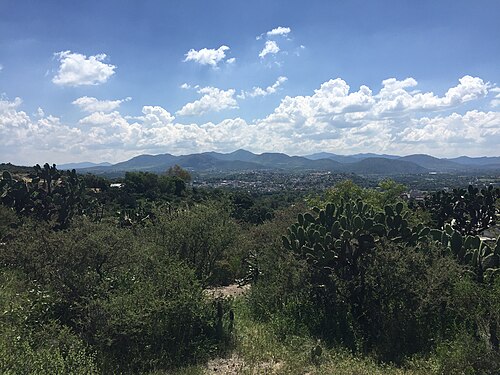
Tepeji del Río de Ocampo is a city located in the state of Hidalgo, Mexico, situated along the banks of the Tepeji River. As part of the municipality of Tepeji del Río, the city serves as its administrative and economic center. The region has a rich history that dates back to pre-Hispanic times, with its strategic location along trade routes making it significant in various periods. The name "Tepeji" is derived from the Nahuatl language, meaning "place of the hill," reflecting the geographical characteristics of the area. The city was officially founded in the late 19th century and has since developed into an important hub for commerce and culture within the state.
The local economy is diverse, benefiting from agriculture, manufacturing, and services. Tepeji del Río is particularly known for its agricultural production, with crops such as maize, beans, and various fruits playing a vital role in sustaining the livelihoods of many residents. In recent years, the city has attracted attention for its growth in industrial activities, hosting numerous businesses that contribute to the regional economy. The city is well-connected by major highways, facilitating trade and mobility for both residents and visitors. Important infrastructural developments have also improved the overall quality of life, with educational institutions, health services, and public amenities available to support the community.
Culturally, Tepeji del Río hosts various traditions and festivities that reflect its rich heritage. The city celebrates annual events such as the feast day of its patron saint, San Francisco de Asís, which draws locals and tourists alike for religious processions, music, and dance. The blend of indigenous and Spanish influences is evident in local cuisine, architecture, and crafts, showcasing a vibrant cultural tapestry. As a growing city within a historically rich region, Tepeji del Río de Ocampo continues to enhance its identity while providing a connection to Mexico's diverse past.
Facts about Tepeji del Río de Ocampo
- Tepeji del Río de Ocampo is known for its historic significance in pre-Hispanic times, particularly as a settlement of the Otomi people.
- The city is named after the Tepeji River, which runs through the area, contributing to its agricultural development.
- Tepeji del Río is famous for the ancient 'Pyramids of Tepeji', which are lesser-known archaeological sites compared to other pyramids in Mexico but are significant for understanding regional history.
- The city hosts the annual 'Fiesta del Santo Patrono San Francisco de Asís', which attracts locals and visitors alike with its vibrant cultural celebrations and traditional events.
- Tepeji del Río was a significant site during the Mexican War of Independence, playing a role in the regional struggles against Spanish rule.
- The region is recognized for its production of traditional Mexican textiles and crafts, showcasing the artisanal skills of the local population.
- A notable landmark in the city is the 'Torre de Tepeji', a historic bell tower that serves as a symbol of local heritage.
- Tepeji del Río is strategically located between the cities of Pachuca and Querétaro, making it a crucial point for trade and transportation.
- The town's ecological surroundings, including the nearby 'Zona Arqueológica de Tula', provide rich opportunities for eco-tourism and cultural exploration.
- Tepeji del Río has been recognized for its efforts in sustainable practices and environmental initiatives, setting an example for other municipalities in Mexico.