Tepexpan, Mexico
- 102,667 people
- 5 places to visit
- 19.6186, -98.9333
Places to Visit (5)
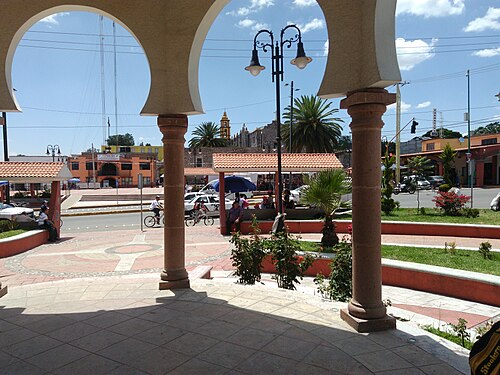
Tepexpan is a small city located in the State of Mexico, approximately 40 kilometers northeast of Mexico City. Nestled within the municipality of Teotihuacan, it is known for its proximity to significant archaeological sites, including the famous Teotihuacan pyramids. The city sits at an elevation of about 2,240 meters above sea level and has a population of around 12,000 residents. Tepexpan's name derives from the Nahuatl language, where "tepe" means "hill" and "xpan" means "on," reflecting the area's geographical features. The community primarily relies on agriculture and trade, with local economies centered around farming and small businesses.
Tepexpan is notable not only for its historical significance but also for its archaeological contributions. In the 1940s, the discovery of the remains of the "Tepexpan Man," a skeleton dating back approximately 12,000 years, provided valuable insights into early human life in the Americas. The find was one of the earliest pieces of evidence suggesting that humans were present in the region long before previously understood. The presence of this archaeological site has spurred interest in the area's pre-Columbian history and attracted researchers, historians, and tourists alike. Additionally, Tepexpan hosts various cultural events and festivals that celebrate its heritage and community spirit, reinforcing its position as a charming locale with historical depth within Mexico.
Facts about Tepexpan
- Tepexpan is known for its archaeological significance, particularly for the discovery of ancient human remains that date back over 12,000 years, providing evidence of some of the earliest human habitation in the Americas.
- The city is home to the Tepexpan site, where the fossilized remains of a prehistoric mammoth were found in the 1950s, highlighting the region's rich prehistoric biodiversity.
- Tepexpan is located in the State of Mexico, which is known for its rich cultural heritage, but Tepexpan specifically is often referred to as a cradle of Mesoamerican civilization due to its ancient settlements.
- The annual festival of San Andrés, celebrated in November, features traditional music, dance, and food unique to the region, attracting visitors from neighboring towns.
- Tepexpan is situated near the shores of Lake Texcoco, the historical site of the Aztec capital of Tenochtitlan, offering a view into the geographical and historical significance of the area.
- The town's architecture is notable for its colonial-style buildings, which reflect the Spanish influence on Mexican architecture and preserve a unique aesthetic uncommon in some larger cities.
- Tepexpan has a vibrant community of artisans, particularly in pottery and textiles, preserving traditional crafts that have been handed down through generations.
- Ecotourism in the surrounding areas, such as the nearby Sierra de Guadalupe, offers hiking and birdwatching opportunities, distinguishing Tepexpan from other urban locations that do not have immediate natural landscapes.
- The region is known for its culinary specialties, including traditional dishes made with local ingredients and recipes that are specific to the Tepexpan area, further distinguishing its gastronomic identity.
- Tepexpan has made strides in sustainability and conservation efforts, particularly in preserving its archaeological sites and promoting awareness about ancient civilizations.