Tequixquiac, Mexico
- 22,676 people
- 5 places to visit
- 19.9106, -99.1401
Places to Visit (5)
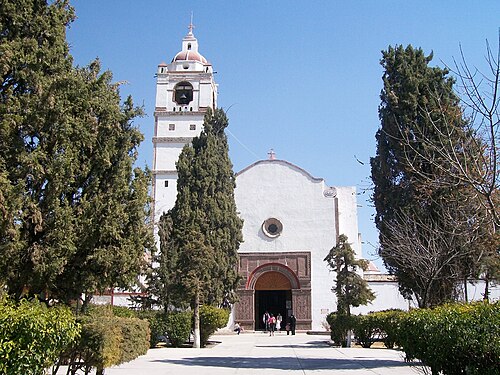
Tequixquiac is a small municipality located in the State of Mexico, approximately 50 kilometers northeast of Mexico City. This picturesque town is situated at an altitude of around 2,350 meters above sea level and is characterized by its rich history and vibrant culture. The name "Tequixquiac" is derived from the Nahuatl language, meaning "place where water springs," reflecting the region's importance in water resources. Notably, the area has deep roots in pre-Hispanic history, with artifacts and architectural remnants that indicate its significance during various ancient cultures, including the Mexica and Otomi civilizations.
The town is known for its charming colonial architecture, particularly the 17th-century Church of San Juan Bautista, which showcases intricate baroque elements. Tequixquiac's economy is primarily based on agriculture, with crops such as corn, barley, and nopal cactus being central to local production. Additionally, the municipality plays a crucial role in the eco-tourism sector, attracting visitors with its natural beauty and outdoor activities, including hiking and birdwatching. The yearly celebrations, including the Feast of San Juan Bautista in June, exemplify the local traditions and community spirit, where music, dance, and culinary delights come together, fostering a deep sense of cultural pride among residents.
Tequixquiac also boasts a rich natural environment, with areas of specific ecological interest, such as the Sierra de Patlachique. Here, visitors can explore various flora and fauna unique to the region. The cooperative spirit among local communities aids in the preservation of cultural heritage and sustainable practices, making Tequixquiac an exemplary model of balancing tradition with modernity. As the town continues to grow while embracing its historical roots, it remains an important cultural and agricultural hub within the State of Mexico, showcasing the region's diverse heritage and natural splendor.
Facts about Tequixquiac
- Tequixquiac is known for its unique pre-Hispanic archaeological sites, including the 'Dolores' site, which features ancient burial mounds and artifacts.
- The town is famous for the 'Tequixquiac Cow', an ancient carved figure believed to date back to the Mesoamerican period, showcasing the area's rich history and artistry.
- Tequixquiac is home to the annual 'Feria del Huitzilin', a festival dedicated to the hummingbird, reflecting the town's strong cultural ties to nature and traditional festivities.
- The city's agricultural heritage is significant, with a focus on sustainable farming practices, most notably the cultivation of agave, which contributes to the regional economy.
- Tequixquiac is located in the State of Mexico and is recognized for its picturesque landscapes that include valleys and rolling hills, making it distinct from more urbanized cities.
- The town hosts unique architectural sites such as the 'Temple of San Juan Bautista', a colonial-era church that exemplifies the religious architectural influence in the region.
- Tequixquiac was an important site during the Mexican Revolution, serving as a strategic location for various revolutionary factions, which adds a layer of historical significance to the town.
- The area's indigenous heritage is evident through local customs, languages, and crafts, particularly the handwoven traditional textiles that are unique to the region.
- Tequixquiac celebrates its local artisans, particularly those who create traditional pottery and handicrafts that reflect both historical and contemporary Mexican culture.
- The municipality is also notable for its rural tourism, which allows visitors to experience authentic Mexican village life, distinguishing it from the more touristic towns in the country.