Teramo, Italy
- 54,338 people
- 16 places to visit
- 42.6611, 13.6987
Places to Visit (16)
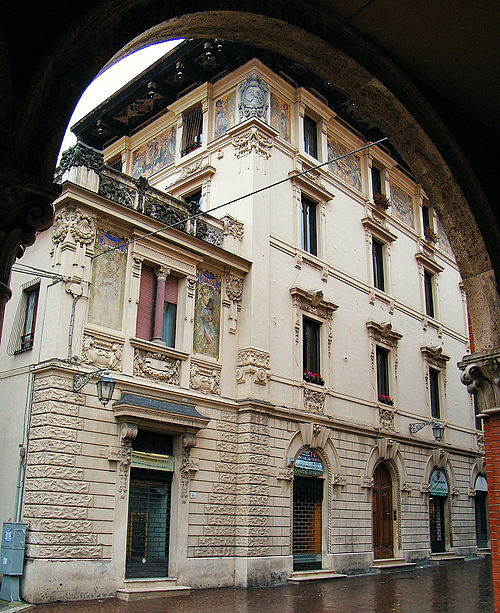
Teramo is a picturesque city located in the Abruzzo region of Italy, nestled between the majestic Apennine Mountains and the Adriatic Sea. As the capital of the Province of Teramo, it boasts a rich history that dates back to ancient Roman times, originally known as Interamnia Praetutiana. The name reflects its strategic position at the confluence of the rivers Tordino and Vezzola. Today, Teramo is known for its well-preserved architecture, vibrant culture, and beautiful landscapes, making it an attractive destination for tourists and a significant center for local agriculture and industry.
The city's historical center is characterized by a blend of medieval and Renaissance buildings, showcasing the architectural evolution of the region. Key landmarks include the stunning Cathedral of Santa Maria Assunta, which dates back to the 11th century and features a remarkable Romanesque facade and a beautiful interior adorned with artwork. Another notable site is the Roman amphitheater, a testament to Teramo’s ancient heritage, which once hosted various public spectacles. The Museo Archeologico boasts an impressive collection of artifacts from the period, offering visitors a deep insight into the local history. Teramo is also famous for its annual festivals celebrating local traditions, including the vibrant 'Corteo Storico' and the 'Festa della Madonna delle Grazie,' which enhance the city's cultural tapestry.
Surrounding Teramo, the stunning natural landscape provides ample opportunities for outdoor recreation. The Gran Sasso and Monti della Laga National Park is a short drive away, attracting hikers, nature enthusiasts, and winter sports aficionados alike. The region is also noted for its agricultural produce, including the celebrated Montepulciano d'Abruzzo wine, which enjoys recognition in both national and international markets. The combination of historical charm, cultural richness, and natural beauty makes Teramo a unique destination that reflects the diverse heritage of Italy. Whether exploring its ancient streets, savoring local culinary delights, or immersing oneself in the celebration of traditional festivals, visitors to Teramo are sure to experience the authentic spirit of the Abruzzo region.
Facts about Teramo
- Teramo is home to the Romanesque-style Cathedral of Teramo, which has origins dating back to the 12th century and features a unique bell tower that stands at 50 meters tall.
- The city is known for its historic Giardino della Riviera, a scenic garden that offers stunning views of the surrounding mountains and the vibrant cityscape.
- Teramo is located in the region of Abruzzo, which is renowned for its production of the Montepulciano d'Abruzzo wine, and the city itself hosts various wine festivals celebrating local vintages.
- The Arch of Marciano, a well-preserved Roman arch dating back to the 1st century AD, is a significant historical landmark in Teramo, showcasing the city's ancient roots.
- Teramo was the birthplace of the famous 14th-century poet and writer, Marco Polo, which adds to its cultural significance within the region.
- The city boasts an impressive array of medieval architecture, including the Palazzo della Provincia and the ancient walls that once fortified the city.
- Teramo is the site of the Teatro Romano, an ancient Roman theater that dates back to the 1st century AD and was rediscovered in the early 20th century, providing insight into the city’s historical significance.
- The annual 'Festa di San Berardo' celebrates the city's patron saint and features vibrant processions, traditional music, and local culinary delights, showcasing Teramo's cultural heritage.
- Teramo is uniquely positioned between the Majella and Gran Sasso mountains, providing residents and visitors with access to stunning natural landscapes and outdoor recreational opportunities.
- The city has a rich tradition of artisanal craftsmanship, particularly in producing handmade ceramics and textiles that reflect the region's artistic heritage.