Terni, Italy
- 111,189 people
- 7 places to visit
- 42.5605, 12.647
Places to Visit (7)
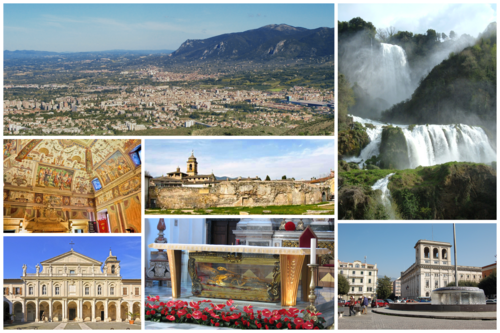
Terni is a city located in the central part of Italy, specifically in the Umbria region. It serves as the capital of the Province of Terni and is situated about 100 kilometers (62 miles) north of Rome. Founded in ancient times, Terni is believed to have evolved from the Roman settlement of Interamna Nahars, established in the 3rd century BC, strategically positioned at the confluence of several important trade routes. The city is known for its rich history, picturesque landscapes, and industrial significance. With a population of approximately 110,000 residents, Terni is the largest municipality in Umbria, acting as a central hub for commerce, industry, and culture.
One of Terni's most notable historical landmarks is the Basilica of San Valentino, dedicated to Saint Valentine, the patron saint of lovers. The city celebrates the Feast of Saint Valentine annually on February 14, drawing visitors from across the globe. Another key cultural site is the historical center with its medieval architecture, featuring the impressive Palazzo Spada and the cathedral of Santa Maria Assunta. Terni's industrial heritage is highlighted by its production of steel and machinery, which has played a significant role in the local economy since the 19th century. The nearby Marmore Waterfalls, one of the highest in Europe, are a natural attraction that showcases the scenic beauty of the region and has become a popular destination for outdoor enthusiasts.
In addition to its historical and industrial significance, Terni is also known for its vibrant cultural scene, including music festivals, art exhibitions, and theatrical performances. The city hosts various events throughout the year, contributing to its lively atmosphere. Furthermore, Terni is strategically positioned for access to both rural and urban experiences, with the rolling hills of Umbria and the larger cities of Rome and Perugia within reach. This unique blend of history, culture, and industry makes Terni an intriguing destination for travelers and an integral part of Italy's rich tapestry.
Facts about Terni
- Terni is known as the 'City of Steel' due to its historical industrial significance, particularly in metallurgy and engineering, distinguishing it from many other Italian towns.
- The city is home to the Cascata delle Marmore, one of the highest man-made waterfalls in the world, originally created by the Romans in 271 BC for agricultural irrigation.
- Terni celebrates St. Valentine, the patron saint of lovers, with a famous festival every February 14, drawing visitors from around the globe.
- The Basilica di San Valentino in Terni houses the relics of St. Valentine, making it a pilgrimage site and unique among Italian cities with similar patron saints.
- Terni was a key center for the early Christian movement, and it boasts a rich history that includes the ancient Roman city of Interamna Nahars, giving it a unique historical perspective.
- The city features a unique combination of ancient Roman ruins and modern industrial architecture, showcasing its evolution through time.
- Terni has a vibrant cultural scene, including events like the Corsa all'Anello, a historic costume festival, which celebrates medieval traditions unique to the region.
- Terni hosts the annual Fira di San Giuseppe, a traditional fair dating back hundreds of years, known for its local food, crafts, and cultural exhibits.
- The nearby Valnerina region, known for its stunning landscapes and ancient monasteries, provides Terni with a unique natural and cultural backdrop not found in many other Italian cities.
- Terni's location at the confluence of the Nera and Serra rivers offers unique opportunities for outdoor activities, differentiating it from inland cities.