Teruel, Spain
- 35,396 people
- 10 places to visit
- 40.3457, -1.1064
Places to Visit (10)
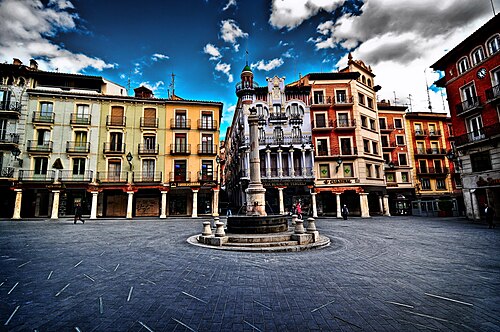
Teruel is a city located in the eastern part of Spain, serving as the capital of the province also named Teruel. Nestled in the mountainous region of Aragon, the city is situated at an elevation of approximately 1,000 meters (3,280 feet). This unique geography contributes to Teruel's distinct climate, characterized by cold winters and hot summers. Known for its rich history, Teruel offers a blend of significant architectural styles, most notably Mudejar, which is a blend of Muslim and Christian influences that emerged during the medieval period. This architectural heritage has earned several of its buildings recognition as UNESCO World Heritage Sites, including the Tower of San Martín and the Cathedral of Teruel, both exemplary representations of the Mudejar style.
Historically, Teruel has been a key player in various socio-economic developments in the region. The city was founded in the 12th century, and its strategic location made it an important medieval town. Teruel is also famous for its association with the tragic love story of "Los Amantes de Teruel" (The Lovers of Teruel), which is similar to the tale of Romeo and Juliet. This legend centers around the ill-fated romance between Diego de Marcilla and Isabel de Segura, which has become an integral part of the city's cultural identity. Each year, the story is celebrated during the Fiestas de Los Amantes, attracting visitors who wish to experience the city's rich traditions and folklore.
In addition to its history and architecture, Teruel is renowned for its gastronomy, particularly its cured ham, known as "jamón de Teruel," which is recognized by the European Union with PDO (Protected Designation of Origin) status. The cuisine reflects the regional agricultural practices, featuring local ingredients such as lamb and a variety of wild mushrooms. Teruel's economy has diversified over the years, with tourism playing a vital role alongside traditional industries like agriculture and livestock. As an underappreciated gem of Spain, Teruel boasts a serene atmosphere, historical charm, and cultural richness that make it a unique destination for travelers seeking to explore lesser-known areas of the country.
Facts about Teruel
- Teruel is known for its unique Mudejar architecture, a UNESCO World Heritage Site, which combines Islamic and Christian architectural elements.
- The city is famous for the 'Amantes de Teruel' (Lovers of Teruel), a legend about two lovers whose tragic story inspired numerous cultural works, including plays and films.
- Teruel is home to the 'torre de El Salvador', one of the tallest Mudejar towers in Spain, which is over 56 meters tall and features a unique octagonal shape.
- The Teruel province has one of the highest altitudes among Spanish provincial capitals, situated at approximately 1,000 meters above sea level.
- The city hosts a popular annual event known as the 'Fiesta del Jamón' (Ham Festival), celebrating its local production of high-quality cured ham, particularly 'jamón de Teruel'.
- Teruel is less populated than many other provincial capitals, making it a quieter and less commercialized destination, attracting visitors seeking authenticity.
- The 'Dinopolis' theme park in Teruel is a significant attraction, dedicated to dinosaurs and paleontology, showcasing the region's rich dinosaur fossil history.
- Teruel has a unique climate, classified as a semi-arid continental climate, resulting in cold winters and warm summers, distinctive from many other areas in Spain.
- The local cuisine of Teruel features dishes that are less known compared to other Spanish regions, with specialties such as 'ternasco' (young lamb) and 'taillón' (a type of stew).
- The city is notable for its impressive wall and historical gateways, remnants of its medieval past, which still stand today as symbols of Teruel's rich history.