Tete, Mozambique
- 357,000 people
- 3 places to visit
- -16.1328, 33.6064
Places to Visit (3)
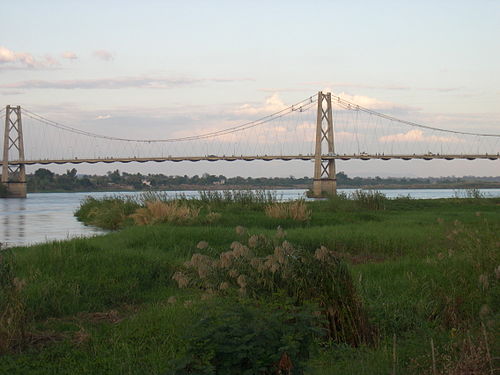
Tete is a city located in the central region of Mozambique, serving as the capital of Tete Province. Positioned on the banks of the Zambezi River, Tete has a rich history and strategic significance due to its location along important transport routes, linking Mozambique to neighboring countries such as Malawi and Zimbabwe. The city's name is derived from the Tete River, which flows through the region. As of the latest estimates, Tete has a population of over 150,000 residents, contributing to its status as one of the larger urban centers in Mozambique.
Historically, Tete has been an important trading post and has witnessed various cultural influences, particularly due to its history as a port for the exportation of agricultural products and minerals. The region surrounding Tete is known for its mining activities, particularly coal, which has spurred economic growth and attracted foreign investment in recent years. The presence of the coal industry has significantly impacted the local economy, providing jobs and infrastructure development. Additionally, Tete is known for its vibrant markets and bustling street life, showcasing a blend of traditional Mozambican culture and modern influences. The scenic beauty of the Zambezi River, complemented by the nearby scenic hills and landscapes, contributes to the city's charm.
Tete also serves as a gateway to various natural attractions, including Gorongosa National Park and the Cahora Bassa Dam, a large hydroelectric power project that is crucial for the region's energy supply. The dam not only generates electricity but also supports local agriculture and fishing industries. Despite facing challenges such as poverty and limited infrastructure, Tete continues to evolve, with various development projects aimed at improving living conditions for its residents. The city's blend of history, culture, and economic potential makes it a vital hub in Mozambique's ongoing development.
Facts about Tete
- Tete is located near the Zambezi River, making it a key transportation hub for trade within Mozambique and neighboring countries.
- The city is known for the Tete Suspension Bridge, a notable historic bridge that connects Tete with the western side of the Zambezi River, showcasing engineering from the colonial era.
- Tete played a significant role during the Mozambique Civil War (1977-1992), as it served as a base for both the government and rebel forces, reflecting its strategic importance.
- The area surrounding Tete is rich in mineral resources, particularly coal, leading to significant mining activities that distinguish it from other cities in Mozambique.
- Tete hosts the River Zambezi Festival, celebrating the culture, music, and traditions of the local communities, which attracts visitors from across the region.
- The city features a mix of colonial and modern architecture, offering a unique aesthetic compared to other cities in Mozambique.
- Tete is home to the Tete Provincial Museum, which showcases the history and culture of the region, including artifacts from the pre-colonial and colonial periods.
- The climate in Tete is characterized by a distinct wet and dry season, influencing agricultural practices and local livelihoods in ways that vary from coastal cities.
- Tete's population includes a diverse mix of ethnic groups, contributing to a rich tapestry of cultural practices and languages unique to the region.
- The economy of Tete is bolstered by its status as a gateway for commerce with neighboring countries like Zimbabwe, influencing trade dynamics in southern Africa.