Tétouan, Morocco
- 415,810 people
- 8 places to visit
- 35.5889, -5.3626
Places to Visit (8)
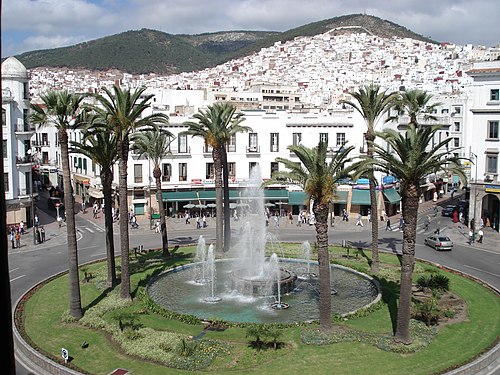
Tétouan is a city located in northern Morocco, nestled at the foot of the Rif Mountains and near the Mediterranean coast. It serves as the capital of the Tétouan Province and has a rich historical and cultural background that dates back to the 3rd century BC. Founded by the Romans as "Tamuda," the city later gained prominence during the Islamic period and became an important center for Andalusian culture after the Reconquista, when many Muslims and Jews fled Spain, bringing their traditions and craftsmanship to the region. The city was a significant hub for trade and commerce, helping to establish its importance within the wider Moroccan context.
The medina of Tétouan, a UNESCO World Heritage site, is characterized by its maze-like streets, vibrant souks, and traditional whitewashed architecture that reflects Andalusian influence. The town is renowned for its artisan crafts, including ceramics, textiles, and leather goods, which continue to thrive today. Tétouan's strategic location also makes it a gateway to the Rif Mountains and Mediterranean beaches, with the nearby town of Martil and the resort area of Cabo Negro attracting tourists and locals alike. The city's rich cultural tapestry is celebrated through various festivals, and its educational institutions, including the Faculty of Arts and Humanities, contribute to its reputation as a center of learning in Morocco. Overall, Tétouan represents a blend of history, culture, and natural beauty, making it a unique destination in the country.
Facts about Tétouan
- Tétouan is known for its well-preserved medina, which is a UNESCO World Heritage site, recognized for its rich history and architectural significance.
- The city was founded in the 15th century by Muslim refugees fleeing the Reconquista in Spain, making it a unique center of Moors and Andalusian culture.
- Tétouan has a distinct architectural style influenced by both Spanish and Moroccan elements, particularly visible in its whitewashed buildings and narrow winding streets.
- The city is home to the Royal Palace of Tétouan, which showcases the architectural beauty and cultural heritage of the region, although it is not open to the public.
- Tétouan has a vibrant arts scene and is known for its artisans, particularly in the fields of traditional crafts such as pottery, weaving, and leatherwork.
- The town is located near the Mediterranean coast, providing breathtaking views of the sea and making it a gateway for trade and cultural exchange.
- Tétouan hosts the International Mediterranean Documentary Film Festival, attracting filmmakers and documentary enthusiasts from around the world.
- Unlike other Moroccan cities, Tétouan is often less crowded and retains a more laid-back atmosphere, appealing to those looking to explore without the hustle and bustle.
- The city has strong ties to the Spanish language and culture due to historical connections, with many residents being bilingual in Arabic and Spanish.
- Tétouan is strategically located near the Rif Mountains, offering opportunities for hiking, exploring natural landscapes, and experiencing local Berber culture.