Texcoco de Mora, Mexico
- 105,165 people
- 13 places to visit
- 19.506, -98.8832
Places to Visit (13)
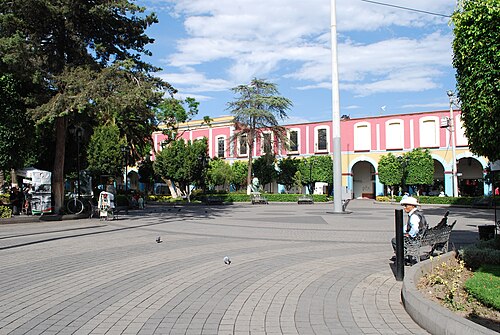
Texcoco de Mora is a city located in the State of Mexico, approximately 25 kilometers northeast of Mexico City. It serves as the municipal seat of Texcoco Municipality. The city is historically significant, as it was an important center during the pre-Hispanic period and one of the dominant cities in the Valley of Mexico, closely associated with the Aztec Empire. Known for its rich cultural heritage, Texcoco was home to a thriving indigenous civilization that was renowned for its contributions to literature, poetry, and the arts, particularly during the reign of the last pre-Hispanic emperor, Moctezuma II. The famous Aztec poet Nezahualcóyotl, also a philosopher and king, hailed from this region and is celebrated for his works that reflect the philosophical and spiritual values of the time.
The modern city of Texcoco features a blend of historical architecture and contemporary developments. Among its key landmarks are the remnants of the great Templo Mayor and various colonial-era buildings that highlight its historical significance. The local economy is diverse, with agriculture, commerce, and services playing significant roles. Texcoco is also known for its agricultural products, particularly in the cultivation of maize and other staples. In recent years, the city has seen growth in industrial and educational sectors, bolstered by its proximity to major urban centers and infrastructure improvements. Texcoco serves not only as a residential area but also as a cultural hub that celebrates both its ancient heritage and dynamic contemporary life.
Moreover, the city is positioned near the eastern shore of the former Lake Texcoco, which played a crucial role in the development of the surrounding communities. The lake, once integral to the Aztec economy and trade, reflects the environmental changes and urban development in the region. Currently, Texcoco is undergoing significant changes with the development of the New International Airport of Mexico City (NAICM), which aims to bolster connectivity and stimulate economic growth. Despite the controversies surrounding the airport project and its environmental implications, Texcoco remains a key player in the region's development while maintaining its cultural identity and historical legacy. As the city looks to the future, it continues to honor its past while adapting to the modern economic landscape.
Facts about Texcoco de Mora
- Texcoco de Mora is historically significant as it was the center of the Texcocan civilization, which was one of the key city-states of the Aztec Empire.
- The city was home to Nezahualcóyotl, a renowned philosopher, poet, and king of Texcoco, who is famous for his contributions to literature and philosophy during the pre-Hispanic era.
- Texcoco is known for its archaeological site, the ruins of the ancient city of Texcoco, which includes structures like temples and ball courts from the Aztec period.
- The Chapultepec Palace, built in the 16th century, is a notable landmark in Texcoco, originally constructed as a royal residence for the Aztec rulers.
- In Texcoco, the Festival of the Corn is celebrated, honoring traditional agricultural practices and the importance of corn in Mesoamerican culture.
- Texcoco is noted for its beautiful lakes, particularly the Texcoco Lake, which played a vital role in the region’s ecology and economy throughout history.
- The city has a strong tradition of music and dance, particularly the traditional dances that celebrate indigenous culture, often performed during local festivals.
- Texcoco was pivotal in the Nahua resistance against Spanish colonization, contributing to the broader history of indigenous resistance in Mexico.
- The Texcoco School of Music is recognized for preserving and promoting traditional Mexican music, showcasing the city’s rich cultural heritage.
- Texcoco hosted the annual Fair of San Isidro Labrador, which features agricultural displays and cultural events that celebrate local traditions and community spirit.