Thái Nguyên, Vietnam
- 249,004 people
- 13 places to visit
- 21.5672, 105.8252
Places to Visit (13)
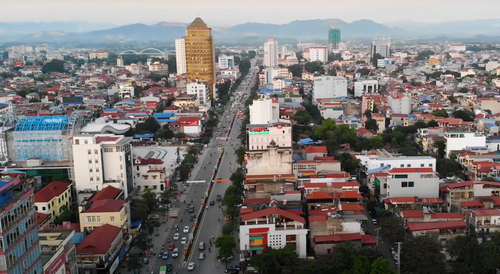
Thái Nguyên is a prominent city in northern Vietnam, serving as the capital of Thái Nguyên Province. Located approximately 80 kilometers from Hanoi, the capital of Vietnam, it plays a significant role in both the economic and cultural landscape of the region. Thái Nguyên is well-known for its scenic landscapes, mild climate, and lush tea plantations, which have made it a popular destination for tourists and tea enthusiasts alike. The city is often referred to as the "Tea Capital of Vietnam," with vast areas dedicated to tea cultivation, particularly the green tea variety, which is celebrated both locally and internationally.
The city has a diverse economy that includes agriculture, industry, and services, with tea production being a key contributor to its income. In addition to tea, Thái Nguyên hosts several industrial parks that attract both local and foreign investment, promoting the development of manufacturing and processing industries. The presence of various educational institutions, notably Thái Nguyên University, enhances its profile as a center for education and research in northern Vietnam. This university is a vital part of the city, offering a range of programs and contributing to the local economy through research initiatives and education. The blend of educational institutions and industrial growth has fostered a young, dynamic population, contributing to the city's vibrancy.
Culturally, Thái Nguyên is home to various ethnic groups, including the Kinh, Tay, and Nung, fostering a rich tapestry of traditions and customs. Various festivals and cultural events are celebrated throughout the year, showcasing the region's heritage and local crafts. The city also features several historical and cultural sites, such as the Thái Nguyên Museum, which provides insights into the area's history, and the Dai Tu Lake, a picturesque spot for relaxation and recreational activities. As Vietnam continues to modernize and develop, Thái Nguyên stands as a city that balances its historical roots with contemporary growth, making it an important player in the country's ongoing development.
Facts about Thái Nguyên
- Thái Nguyên is known as the 'Green City' of Vietnam due to its lush tea plantations, which are among the largest in the country.
- The Thái Nguyên Province is home to one of Vietnam's oldest and most significant tea production areas, with tea cultivation dating back to the late 19th century.
- Thái Nguyên is renowned for the Trại Cấy tea festival, which celebrates the local tea culture and is one of the major events in Vietnam's agricultural calendar.
- The city is distinguished by the presence of the Thái Nguyên University, which is a prominent educational institution in northern Vietnam, attracting students from across the country.
- Thái Nguyên served as a crucial logistical base during the Vietnam War, with various military supply routes and operations taking place in the region.
- The city is home to the historic Núi Cốc Lake, which offers scenic views and is a popular destination for both locals and tourists seeking relaxation and leisure activities.
- Thái Nguyên features the Thái Nguyên National Park, a protected area that shelters diverse flora and fauna, making it an important site for ecological preservation.
- One unique cultural symbol in Thái Nguyên is the traditional 'Khuấy Bánh' cake, a local specialty made using traditional methods passed down through generations.
- The city is also known for the Dong Hy district, where traditional handicrafts such as bamboo weaving and pottery are practiced, contributing to the local economy.
- Thái Nguyên has established itself as an emerging industrial center, particularly in the electronics and manufacturing sectors, distinguishing it from many other cities which rely more on agriculture.