Thessaloníki, Greece
- 317,778 people
- 17 places to visit
- 40.6401, 22.9444
Places to Visit (17)
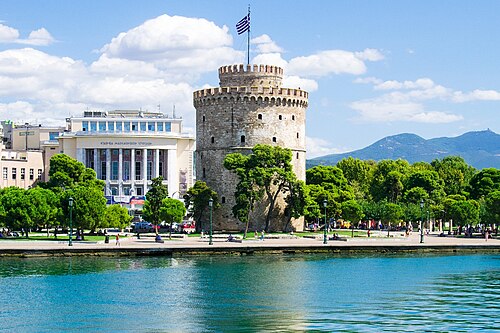
Thessaloníki, Greece's second-largest city, is a vibrant hub of culture, history, and commerce situated in the northern part of the country along the Thermaic Gulf. Founded in 315 BC by Cassander of Macedon and named after his wife, Thessaloníki is remarkable for its rich historical tapestry that reflects a blend of various civilizations, including Roman, Byzantine, and Ottoman influences. Today, this dynamic city has a population of around 1 million people and stands as a crucial economic and cultural center for the region. Its historic significance is evident in landmarks such as the White Tower, an iconic 15th-century monument, and the Rotunda, originally built as a mausoleum for Emperor Galerius.
The city's cultural scene is bustling, showcasing a plethora of museums, galleries, and theaters. Notable institutions include the Museum of Byzantine Culture, which houses an extensive collection of artifacts from the Byzantine era, and the Archaeological Museum of Thessaloníki, featuring treasures from the ancient Macedonian civilization, including relics from the tomb of Philip II, the father of Alexander the Great. Thessaloníki is also known for its lively festivals, particularly the Thessaloniki Film Festival and the Dimitria Festival, which celebrate cinema, art, and local traditions. Its culinary scene is equally vibrant, with a range of flavors that reflect both Greek and Balkan influences, making it a gastronomic delight for visitors.
Thessaloníki's diverse neighborhoods, such as Ano Poli and Ladadika, each possess their unique charm, offering a mix of traditional tavernas, modern cafes, and vibrant nightlife. The city's waterfront promenade, known as the Nea Paralia, is a popular gathering spot for locals and tourists alike, featuring parks, art installations, and stunning views of Mount Olympus in the distance. With its unique combination of history, culture, and modern urban life, Thessaloníki serves as an essential destination for anyone looking to explore the richness of Greek heritage and contemporary life.
Facts about Thessaloníki
- Thessaloníki is the second-largest city in Greece and serves as an economic and cultural hub for Northern Greece.
- The city was founded in 315 BC by Cassander of Macedon and named after his wife, Thessalonike, who was the half-sister of Alexander the Great.
- Thessaloníki boasts the largest collection of Byzantine churches in the world, with several UNESCO World Heritage Sites, including the Church of St. Demetrius and the Rotunda.
- The city was known as the 'mother of Israel' because of its significant Jewish population, particularly during the Ottoman Empire and the early 20th century.
- The annual Thessaloniki International Fair is the largest trade fair in Greece and has been held since 1926, showcasing various industries and innovations.
- Thessaloníki has a vibrant street art scene, which reflects the city's rich history and contemporary culture, featuring works by local and international artists.
- The city's waterfront promenade, known as the Nea Paralia, is a popular destination for both locals and tourists, and it spans several kilometers along the Thermaic Gulf.
- Thessaloníki is famous for its culinary delights, including local specialties such as gyros, koulouri (sesame bread), and the traditional bougatsa pastry.
- The White Tower of Thessaloníki is a historical landmark that serves as a symbol of the city and has a colorful history as a fortress and prison.
- The city plays host to a number of cultural festivals, including the Thessaloniki Film Festival, which is one of the most prestigious film festivals in Southeast Europe.