Thimphu, Bhutan
- 98,676 people
- 16 places to visit
- 27.4716, 89.6386
Places to Visit (16)
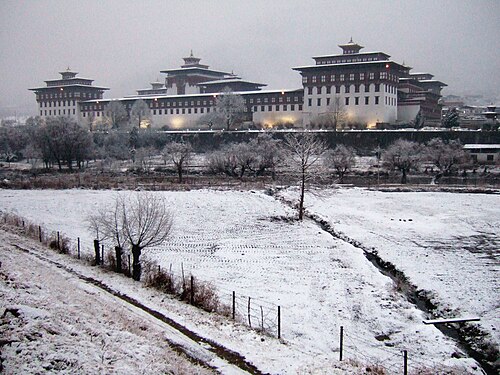
Thimphu, the capital city of Bhutan, is a unique blend of traditional and modern influences, characterized by its stunning landscapes and rich cultural heritage. Located in the western part of the country, at an elevation of approximately 2,300 meters (7,700 feet) in the Thimphu Valley, the city is surrounded by lush hills and dense forests. Unlike most capitals, Thimphu does not have traffic lights; instead, intersections are managed by police officers, reinforcing the city’s commitment to preserving its cultural identity. With a population of around 115,000, it is the largest city in Bhutan and serves as the political, economic, and cultural heart of the nation.
Thimphu is home to several important landmarks that highlight Bhutan’s rich Buddhist heritage. The iconic Tashichho Dzong, a fortress and monastery that dates back to the 17th century, serves as the seat of the Bhutanese government and the central monastic body. Visitors can also explore the National Memorial Chorten, built in memory of the third King of Bhutan, Jigme Dorji Wangchuck, which features intricate carvings and colorful prayer flags. The city is also known for its vibrant markets, where traditional handicrafts, textiles, and fresh produce are sold. While Thimphu is continuously evolving with modern amenities and infrastructure, it remains deeply rooted in its traditions, reflecting the balance between preserving cultural values and embracing change. The city hosts several festivals throughout the year, notably the Thimphu Tshechu, which showcases traditional dances and rituals, attracting tourists and locals alike, further enriching the cultural landscape of this captivating capital.
Facts about Thimphu
- Thimphu is the capital city of Bhutan and is unique for being the only capital city in the world that does not have traffic lights.
- The city is home to Tashichho Dzong, the seat of the government and the central monastic body, which showcases traditional Bhutanese architecture.
- Thimphu is known for its vibrant festivals, including the Thimphu Tshechu, a significant religious festival featuring traditional dances and colorful attire.
- The National Memorial Chorten, built in memory of the third king of Bhutan, is an iconic landmark and a place of worship visited by locals and tourists alike.
- Thimphu is the only city in Bhutan with a significant number of high-tech institutions and initiatives, promoting the country's move towards digital technology.
- The city houses the National Library of Bhutan, which preserves ancient texts as well as contemporary publications, reflecting Bhutan's rich literary tradition.
- Thimphu’s elevated location at over 2,300 meters provides stunning views of the surrounding mountains and valley, making it distinct from other regions in Bhutan.
- The city is known for its picturesque weekend markets where locals sell traditional foods, crafts, and textiles, emphasizing its role as the commercial hub of Bhutan.
- The Royal Palace, Tashichhodzong, is not only an important administrative center but also a cultural and religious landmark that represents the monarchy in Bhutan.
- Thimphu hosts several international events and conferences, portraying its status as a diplomatic center in Bhutan, unlike other cities which are more traditional.