Thionville, France
- 44,311 people
- 11 places to visit
- 49.3573, 6.1686
Places to Visit (11)
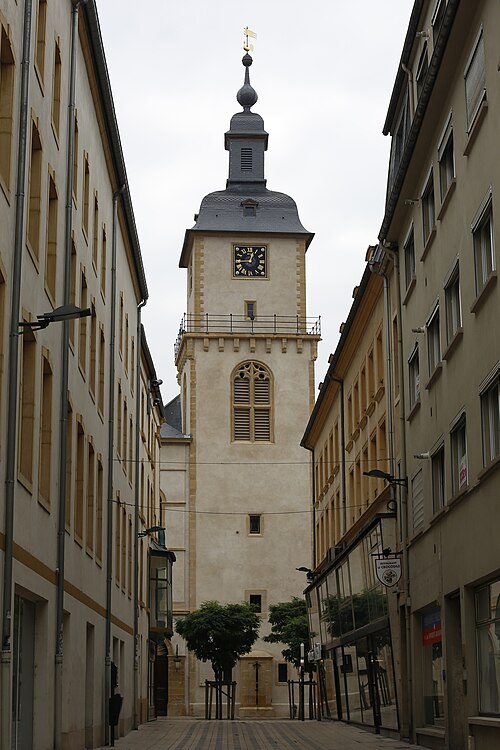
Thionville is a town located in the Moselle department in northeastern France, near the borders with Luxembourg and Germany. Situated on the banks of the Moselle River, Thionville has a rich history that can be traced back to Roman times when it was known as Divodurum. The town's strategic position has made it a significant military and commercial center throughout history, especially during the Middle Ages and the industrial revolution. The name Thionville derives from "Tion," a Celtic leader, and the Latin suffix '-ville,' meaning town.
Today, Thionville is known for its vibrant multicultural community and historical heritage. The town boasts a blend of French and German influences, evident in its architecture, cuisine, and festivals. Notable places in Thionville include the 17th-century Saint-Maximin Church, the medieval castle remnants, and the impressive Town Hall building. The town also has beautiful parks and gardens that provide residents and visitors with green spaces to enjoy. In recent years, the local economy has diversified, with a focus on commerce, services, and tourism. Annual events, such as the Carnival of Thionville, showcase its cultural diversity and attract visitors from surrounding regions.
Thionville is well-connected by transportation options, including rail and road networks, facilitating easy access to major cities like Metz and Luxembourg City. The town is also developing its infrastructure to enhance its appeal as a residential and business hub. With its unique blend of history, culture, and modern amenities, Thionville continues to evolve while preserving its rich legacy, making it a noteworthy destination in the Lorraine region of France.
Facts about Thionville
- Thionville is located in the Grand Est region of France, near the borders of Luxembourg and Germany, making it a key point of cultural exchange and historical significance in Europe.
- The city has a rich history dating back to Roman times, originally known as 'Divodurum,' and has preserved remnants of its Roman past, including ancient walls and structures.
- Thionville was significantly impacted by the industrial revolution, particularly in steel production, and has a heritage that reflects its role as a center of heavy industry in the 19th and 20th centuries.
- The Fort de Guentrange, built in the 19th century, is an example of the military architecture that defines Thionville, showcasing the city's historical importance in defense and fortification.
- The Moselle River runs through Thionville, providing the city with picturesque waterfront areas and contributing to its development as a port town in history.
- Thionville hosts an annual carnival, known for its vibrant parades and cultural celebrations, showcasing local traditions and drawing visitors from neighboring regions.
- The city features a unique blend of architectural styles, including Gothic, Renaissance, and 19th-century industrial buildings, reflecting its diverse history and influences.
- Thionville's local cuisine is influenced by both French and German traditions, offering dishes that highlight the region's cultural mix, such as 'Sauerbraten' and various local wines.
- The city is home to the Maison de l'Architecture, which promotes architectural culture and hosts various exhibitions and events throughout the year.
- Thionville has a historical connection to the famous French painter and sculptor, Jean-Baptiste Carpeaux, who was born nearby, adding to its cultural significance.