Thunder Bay, Canada
- 107,909 people
- 16 places to visit
- 48.3809, -89.2477
Places to Visit (16)
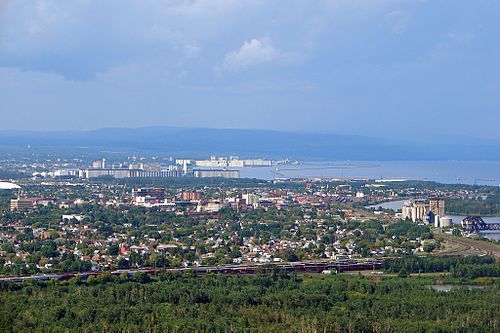
Thunder Bay is a vibrant city located in Northwestern Ontario, Canada, serving as a pivotal hub for economic, cultural, and social activities in the region. Established as Fort William in 1803, it initially served as a fur trading post for the North West Company, later becoming an important shipping port on Lake Superior. The city was formally incorporated in 1970 through the amalgamation of the two municipalities of Fort William and Port Arthur, aptly renamed Thunder Bay, reflective of the natural phenomena that characterize the area's often stormy weather. Thunder Bay is home to approximately 110,000 residents, making it one of the largest cities in Northern Ontario, and it functions as a key trade and transportation center with essential access to both the U.S. and Canadian border.
The city boasts a diverse array of activities and landmarks that display its rich cultural heritage and natural beauty. The waterfront along Lake Superior is a major attraction, offering scenic views and opportunities for recreational activities such as boating, fishing, and hiking. The Sleeping Giant Provincial Park is particularly well-known for its hiking trails and unique geological formations. Thunder Bay's cultural offerings include the Thunder Bay Art Gallery, which showcases works from local artists, and the numerous annual festivals, such as the Thunder Bay Blues Festival and the Thunder Bay International Folk Festival, which highlight the community's artistic spirit. Additionally, the city supports several educational institutions, including Lakehead University, contributing to its vibrant, youthful ambiance. With a robust economy centered around healthcare, education, manufacturing, and tourism, Thunder Bay continues to play a crucial role in the overall development of Northwestern Ontario while offering a unique blend of urban and outdoor experiences for both residents and visitors.
Facts about Thunder Bay
- Thunder Bay is located at the meeting point of the Great Lakes and the Canadian Shield, offering a unique landscape characterized by rocky outcrops and waterways.
- The city is home to Fort William Historical Park, a reconstructed 19th-century fur trading post that is considered one of the largest living history sites in North America.
- Thunder Bay has a significant Indigenous heritage, with the area being home to the Anishinaabe people long before European settlement, celebrated through events like the annual Indigenous Day.
- The city is noted for the Sleeping Giant, a natural rock formation resembling a giant lying on its back, which is also a provincial park and a popular hiking destination.
- Thunder Bay is known as the 'Lakehead' due to its location at the western tip of Lake Superior, making it a critical shipping and transportation hub.
- The city hosts the Thunder Bay Blues Festival, recognized as one of the largest blues festivals in Canada, attracting thousands of visitors and artists from around the world.
- Thunder Bay is home to the Canada Border Services Agency's port of entry, which facilitates significant cross-border trade and travel between Canada and the United States.
- The local economy is boosted by its strategic access to natural resources, particularly in forestry and mining, making it distinct compared to other Canadian cities.
- Thunder Bay is the birthplace of the famous Canadian musician and actor, Gordon Lightfoot, and has a rich cultural scene that celebrates its local artists.
- The Tbaytel Great Outdoors Challenge is a unique community-led event that encourages residents to discover and explore the city's outdoor spaces while promoting physical activity.