Ticul, Mexico
- 32,796 people
- 10 places to visit
- 20.3978, -89.5366
Places to Visit (10)
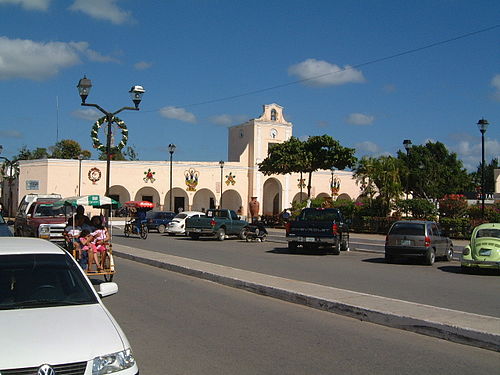
Ticul is a city located in the state of Yucatán, Mexico, situated approximately 60 kilometers south of the state capital, Mérida. Known for its rich cultural heritage and traditional way of life, Ticul serves as a hub for the surrounding agricultural region, particularly in the production of clay pottery. This craft has been passed down through generations, making Ticul renowned for its artistic ceramics, which are often intricately designed and colorful. The city’s history dates back to the pre-Columbian era, with evidence of Mayan influence still present in local architecture and traditions.
The economy of Ticul is primarily based on agriculture, with the cultivation of various crops such as corn, beans, and citrus fruits playing a vital role. Additionally, the region benefits from the production of henequen, a plant used to make ropes and twine, which historically contributed to the economic development of Yucatán. In recent years, tourism has grown in importance, driven by Ticul's proximity to notable archaeological sites like Uxmal and cultural festivals that attract visitors keen on exploring the unique customs of the Yucatecan people. The city's vibrant markets, traditional food, and annual celebrations, such as the Festival of the Holy Cross, showcase the communal spirit and cultural richness of Ticul.
Ticul's climate is classified as tropical, characterized by a distinct wet and dry season, which influences local agricultural practices. The city possesses several cultural landmarks, including churches and squares that reflect its colonial past, along with modern amenities to support its growing population. As of the last census, Ticul has a population of around 25,000 residents, fostering a tight-knit community that values its traditions while embracing gradual modernization. Overall, Ticul is a testament to the enduring legacy of Mayan culture and contemporary Mexican life, offering a glimpse into the past while paving the way for future development.
Facts about Ticul
- Ticul is known as the 'Capital of the Alcaparras' (capers) in Mexico, which highlights its importance in caper production.
- The city is renowned for its unique pottery, particularly its traditional hand-painted ceramic pieces that often depict regional motifs.
- Ticul's location is strategically near the archaeological site of Uxmal, a UNESCO World Heritage site, making it a popular base for tourists exploring ancient Mayan ruins.
- In addition to capers, Ticul is an important agricultural center for the production of various fruits and vegetables, including mangoes and tomatoes.
- The city hosts the Fiesta de la Virgen de la Asunción, a major cultural and religious celebration that draws visitors and showcases local traditions.
- Ticul has a rich colonial history, evident in its architecture and the influence of Spanish designs in its churches and public buildings.
- The town is also known for its textiles, particularly hammocks made from durable materials, which are famous throughout Mexico.
- Ticul celebrates the Festival of the Capers, where local farmers display and sell capers and other regional products, highlighting local agriculture.
- The city maintains a strong sense of community, with various local cooperatives that support artisans and preserve traditional crafts.
- Ticul is home to the Ticul Manuscript, an important historical document that provides insights into the region's history and its indigenous peoples.