Tijuana, Mexico
- 1,922,523 people
- 18 places to visit
- 32.5149, -117.0382
Places to Visit (18)
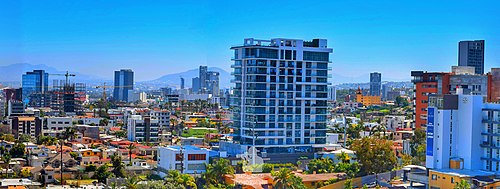
Tijuana, a vibrant city located in the northwestern part of Mexico, is the largest border city in the country and serves as a significant entry point into the United States. Situated just south of California, directly across from San Diego, Tijuana is part of the Baja California Peninsula and has a population of over 1.6 million residents, making it one of the most populated cities in Mexico. Founded in the 19th century, Tijuana has evolved from a small border settlement into a bustling urban center known for its dynamic culture, diverse economy, and strategic geographical position. The city is a hub for manufacturing, tourism, and commerce, benefiting from its proximity to the U.S. and a strong network of Maquiladoras—factories that import materials duty-free and export finished goods.
The culture of Tijuana is a mosaic that reflects both Mexican and American influences, visible in its culinary scene, music, and arts. Famous for its vibrant nightlife, the city boasts numerous bars, clubs, and restaurants that offer everything from street tacos to gourmet dining experiences. The cultural landscape is further enriched by a variety of festivals that celebrate everything from local crafts to international music, showcasing the creativity and diversity of its residents. Tijuana is also known for its artistic community, evident in its street art, murals, and ongoing efforts to promote local artists. Attractions such as the Tijuana Cultural Center (CECUT) and the Avenida Revolución serve as focal points for both locals and tourists, highlighting the city's unique blend of traditional and contemporary culture.
Despite its appeal, Tijuana faces challenges, including issues related to security and crime, which have fluctuated over the years. Efforts by local government and community organizations aim to improve safety and promote economic development, encouraging tourism and investment. The city is also working to address social issues, focusing on education, health, and infrastructure to foster a more sustainable future for its residents. Tijuana remains a city of contrasts and opportunities, embodying the complexities of border life while maintaining a spirit of resilience and innovation. As a gateway between two nations, it continues to play a crucial role in the cultural and economic exchanges between Mexico and the United States.
Facts about Tijuana
- Tijuana is the largest city in Baja California and one of the fastest-growing cities in Mexico, known as a major cultural and economic hub.
- It is located just south of the US-Mexico border, making it one of the busiest border crossings in the world, with millions of travelers crossing annually.
- Tijuana's Avenida Revolución is famous for its vibrant nightlife, street vendors, and shops, serving as a popular destination for tourists and locals alike.
- The city is recognized for its contribution to cultural diversity, showcasing a unique blend of American and Mexican influences, particularly in music, art, and cuisine.
- Tijuana is home to the famous Tijuana Flats, known for its fresh, local tacos and unique variations like the 'Tijuana-style' taco.
- The city hosts the Tijuana Cultural Center (CECUT), which is known for its striking architectural design and serves as a major venue for progressive arts and exhibitions.
- Tijuana has a thriving medical tourism industry, attracting visitors seeking affordable healthcare options, particularly dental procedures.
- The annual Baja California Film Festival, held in Tijuana, showcases local and international films and celebrates cinema from the region.
- Tijuana is also known for the 'Tijuana Bullring', the largest bullring in the world by seating capacity, highlighting a significant aspect of traditional Mexican culture.
- The city's renowned border art, particularly in the migrant community, serves as a poignant reflection of the challenges and experiences of those crossing the border.