Timaru, New Zealand
- 28,900 people
- 14 places to visit
- -44.3904, 171.2373
Places to Visit (14)
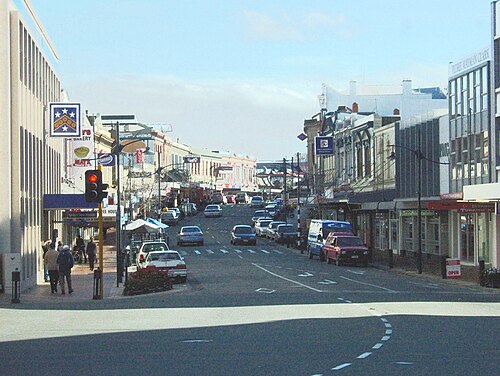
Timaru is a coastal city located on the South Island of New Zealand, situated along the eastern shores of the country, approximately halfway between Christchurch and Dunedin. It is the largest urban area in the South Canterbury region and serves as a significant hub for commerce, industry, and agriculture. The city's population, which was around 30,000 as of the 2021 census, contributes to its vibrant community atmosphere, offering a blend of cultural heritage and modern amenities. Timaru is renowned for its beautiful coastline, with the popular Caroline Bay providing recreational opportunities such as swimming, picnicking, and beach sports. The bay is also notable for its annual events, including the Caroline Bay Carnival, which attracts locals and visitors alike.
Historically, Timaru was established in the 1850s and grew rapidly due to its strategic location as a port and its role in the agricultural development of the surrounding Canterbury Plains. The region's economy has traditionally centered around farming, particularly sheep farming, dairy production, and crop growing. Timaru's port, one of the key aspects of the city's identity, is a vital trade link for exporting primary products and importing goods. The local economy has diversified over the years, incorporating retail, manufacturing, and service industries, contributing to the city’s resilience amid global economic changes. Timaru features various attractions such as the Timaru Botanic Gardens, established in 1854, which showcase a wide variety of plants and offer a tranquil escape for residents and visitors.
Culturally, Timaru is home to several notable institutions and landmarks, including the South Canterbury Museum, which exhibits the region's history, natural environment, and Māori heritage. The city's architecture features a mix of historic and modern buildings, with heritage-listed structures presenting a glimpse into its past. Additionally, Timaru hosts numerous festivals and events throughout the year, reflecting its rich arts and community spirit. The city is well-connected by road and rail, providing easy access to nearby attractions like the stunning mountains of the Southern Alps and various outdoor recreation opportunities. With its combination of natural beauty, rich history, and a strong sense of community, Timaru continues to be an attractive place to live, work, and visit.
Facts about Timaru
- Timaru is home to the historic CBay (Caroline Bay), which is famous for its picturesque beach and was a popular seaside destination in the late 19th and early 20th centuries.
- The city features the Timaru Botanic Gardens, which were established in 1864 and are among the earliest public gardens in New Zealand.
- Timaru's main port is significant for its proximity to farming, fishing, and forestry industries, making it a crucial economic hub for the South Island.
- The town is known for the unique 'South Canterbury' architecture style, which includes many heritage buildings and public structures dating back to the colonial era.
- Timaru hosts the annual 'Timaru International Farmers Market', which showcases local produce, crafts, and culinary delights, attracting visitors from across the region.
- The Aigantighe Art Gallery in Timaru is one of New Zealand's oldest art galleries, offering an impressive collection of New Zealand and international art.
- Timaru is located at the southern end of the Waitaki District, providing access to both beaches and mountains, which distinguishes it from many other urban centers.
- The city boasts a vibrant sports culture, particularly known for its strong rugby and cricket teams, with local events drawing significant crowds.
- Timaru is known for its stone sculptures, including the iconic 'Sculpture on the Bay', which showcases works from local artists and enhances its coastal landscape.
- The city's proximity to the Te Manahuna (Mackenzie Country) makes it a hub for outdoor recreational activities, such as skiing, hiking, and fishing, setting it apart from other towns.