Timmins, Canada
- 41,788 people
- 15 places to visit
- 48.4758, -81.3305
Places to Visit (15)
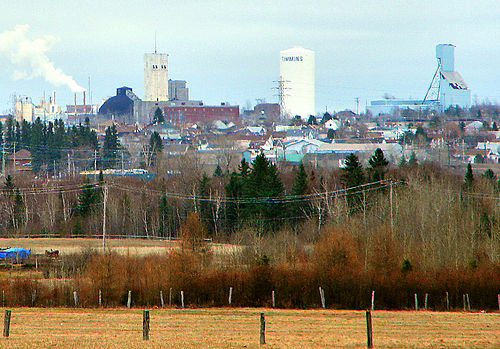
Timmins is a city located in northeastern Ontario, Canada, known for its rich mining heritage and vibrant community. Established during the 1909 gold rush, Timmins quickly emerged as a significant mining center, driven primarily by the discovery of gold in the nearby Porcupine Gold Fields. The city saw rapid growth, attracting prospectors, miners, and their families, which led to its incorporation in 1912. Timmins lies approximately 200 kilometers (124 miles) northeast of Sudbury and is strategically positioned at the junction of several highways, contributing to its role as a regional service center.
The economy of Timmins is predominantly anchored in the mining sector, with gold, nickel, copper, and zinc being the primary minerals extracted in the region. Over the years, companies such as Goldcorp and Newmont have played pivotal roles in the mining industry, providing employment opportunities and driving economic activity. In addition to mining, the city has diversified its economy through sectors such as forestry, retail, and services. The population of Timmins is around 41,000 residents, with a diverse demographic that includes a mix of Indigenous peoples and Canadians of various ethnic backgrounds. The city showcases a strong community spirit, evident in its numerous cultural festivals and events, such as the Timmins International Baseball League and the Winter Carnival.
Timmins is also known for its stunning natural landscapes, with vast forests, lakes, and rivers that offer residents and visitors ample opportunities for outdoor activities. Popular recreational pursuits include fishing, hiking, snowmobiling, and camping. The city's commitment to environmental sustainability is demonstrated through initiatives aimed at preserving local habitats and promoting eco-tourism. Additionally, cultural attractions such as the Timmins Museum and the Shania Twain Centre highlight the city’s historical significance and celebrate its connections to notable figures in music and entertainment. With its unique blend of economic opportunity, rich history, and natural beauty, Timmins remains an important hub in Ontario's North.
Facts about Timmins
- Timmins is known as the 'City with a Heart of Gold' due to its rich gold mining history that began in the early 1900s.
- The city is home to the Hollinger Gold Mine, one of the largest in Canada, which produced over 20 million ounces of gold during its operation.
- Timmins has one of the largest populations of Canadian-born residents of Finnish descent, celebrated through events like the FinnFest.
- The Timmins Museum: National Exhibition Centre showcases the city's history, art, and cultural heritage, focusing on its mining and Indigenous history.
- Timmins hosts the annual Timmins Rock annual hockey tournament, one of the largest of its kind in the Northern Ontario region.
- The city has a unique, large-scale landform sculpture called 'The Big Potato', which serves as a landmark and tribute to the area's agricultural heritage.
- Timmins is located directly on the southern edge of the Abitibi Plateau, making it a prime location for outdoor activities such as hiking and snowmobiling.
- The city celebrates Winter Carnival with events like ice sculptures, dog sled racing, and other winter sports, attracting visitors from across the province.
- Timmins is known for its large population of Canadian Lynx, a testament to its rich biodiversity and environmental significance.
- Timmins has a significant Indigenous population and is close to the traditional territories of the Mattagami and Moose Cree First Nations, showcasing a rich culture and history.