Tirana, Albania
- 418,495 people
- 17 places to visit
- 41.3275, 19.8187
Places to Visit (17)
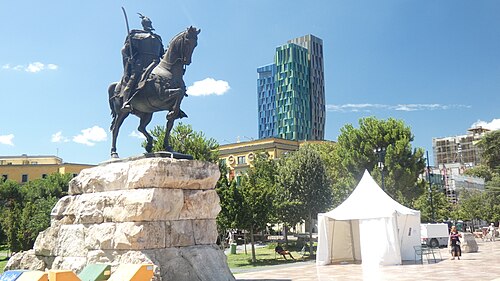
Tirana, the capital and largest city of Albania, is a vibrant urban center located in the heart of the country. Established in the 17th century, it became the capital in 1920. Its geographical setting at the confluence of the Tirana and Lana rivers, surrounded by the lush Dajti Mountains, provides a picturesque backdrop that enhances its appeal. The city has a population of approximately 800,000 residents, making it a bustling hub of culture, commerce, and politics. Tirana features a Mediterranean climate with hot summers and mild winters, contributing to its attractiveness as a destination for tourism and investment.
The urban landscape of Tirana is characterized by a mix of historical and modern architecture, reflecting the city's turbulent past and its aspirations for the future. The Skanderbeg Square, named after the national hero Gjergj Kastrioti Skënderbeu, serves as the city’s central hub, surrounded by important landmarks such as the National History Museum and the Opera House. An influx of colorful buildings and contemporary art installations, driven by urban renewal projects since the fall of communism in the early 1990s, has transformed Tirana into a vibrant city filled with artistic expression. The Blloku district, once the exclusive domain of the communist elite, has evolved into a lively area featuring trendy cafes, boutiques, and restaurants, making it a popular destination for both locals and tourists.
Tirana's cultural scene is rich and diverse, with numerous galleries, theaters, and events that celebrate the city’s heritage and contemporary artistic endeavors. The city is home to various educational institutions, including the University of Tirana and the Polytechnic University, nurturing a young and dynamic population. Furthermore, Tirana is committed to becoming greener and more sustainable, with initiatives for parks and public spaces aimed at improving residents' quality of life. Today, Tirana stands as an emblem of Albania's transition into a modern European nation, balancing its historical legacies with the challenges and opportunities of the contemporary world.
Facts about Tirana
- Tirana is the capital and largest city of Albania, making it the political, cultural, and economic center of the country.
- Skanderbeg Square in Tirana is a prominent landmark that features the National History Museum and a statue of the national hero, Gjergj Kastrioti Skënderbeu.
- The city is known for its vibrant and colorful buildings, particularly in the Blloku neighborhood, which was historically an exclusive area for the communist elite.
- Tirana is home to the Pyramid of Tirana, a unique architectural structure originally built as a museum for the former communist leader Enver Hoxha.
- Tirana has a rich history of cultural evolution and was designated as a 'City of Culture' by the Council of Europe in 2020.
- The city hosts the annual Tirana International Film Festival, which showcases filmmakers from around the world and promotes cinema in the Balkans.
- Tirana's Grand Park (Parku i Madh) is a significant green space in the city that includes a large artificial lake, offering a tranquil escape from urban life.
- The National Art Gallery in Tirana features a collection of Albanian art from the Middle Ages to the present, including works by renowned Albanian artists.
- Tirana is known for its diverse cuisine, which blends Mediterranean and Balkan flavors, making it a gastronomic destination in Albania.
- The city has made significant strides in urban development and sustainability, including initiatives to improve public transportation and green spaces.