Tivoli, Italy
- 22,018 people
- 11 places to visit
- 41.9597, 12.8021
Places to Visit (11)
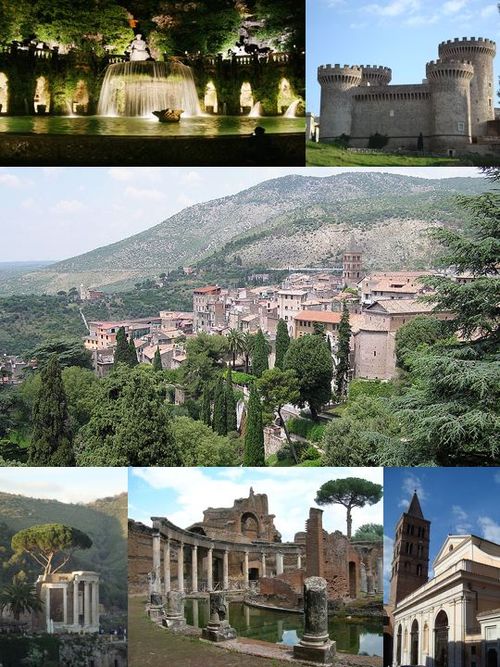
Tivoli, a picturesque town located approximately 30 kilometers east of Rome, Italy, is renowned for its rich history and stunning landscapes. Nestled in the Sabine hills, Tivoli has been a favored retreat since ancient Roman times, offering a serene escape from the bustling capital. The town's origins date back to the 8th century BC, originally founded by the ancient Romans as "Tibur." Over the centuries, Tivoli has attracted visitors for its natural beauty, strategic location, and cultural significance, making it an important site in both ancient and modern Italy.
One of Tivoli's most significant landmarks is Hadrian's Villa (Villa Adriana), a vast Roman archaeological complex built in the 2nd century AD by Emperor Hadrian. This UNESCO World Heritage Site exemplifies the wealth and sophistication of Roman architecture, showcasing various buildings, gardens, and water features. Another famed attraction is Villa d'Este, a 16th-century Renaissance villa celebrated for its enchanting gardens and elaborate fountains, also designated as a UNESCO World Heritage Site. The villa was commissioned by Cardinal Ippolito d'Este and is an exemplary representation of the Italian Renaissance style, characterized by its intricate waterworks and artistic layout that reflects both beauty and harmony with nature.
The town's charming historic center, with its narrow streets, Romanesque churches, and traditional Italian eateries, invites exploration and offers a glimpse into the vibrant local culture. Tivoli's scenic views overlooking the Aniene River and the surrounding hills provide an idyllic backdrop for visitors. The town hosts various festivals throughout the year, showcasing local art, music, and cuisine, further enriching its cultural tapestry. With its blend of history, art, and natural beauty, Tivoli continues to be a captivating destination for tourists and a significant site for those interested in Italy's rich heritage.
Facts about Tivoli
- Tivoli is renowned for its stunning UNESCO World Heritage Sites, including Villa d'Este, celebrated for its breathtaking gardens and intricate fountains.
- The ancient Roman villa known as Villa Adriana (Hadrian's Villa) is located in Tivoli, which was the retreat of Emperor Hadrian and showcases remarkable archaeological remains.
- Tivoli's historical significance dates back to ancient times, where it was known as Tibur and was referred to by Roman poets such as Horace and Propertius.
- The town is situated on a hilltop, offering spectacular views of the Roman Campagna, setting it apart from many other cities in Italy that do not enjoy such elevated vistas.
- Tivoli has been a popular destination for artists and poets throughout history, drawing inspiration from its natural beauty and historical sites.
- The city's thermal springs, particularly those at Villa Gregoriana, were appreciated by ancient Romans and continue to attract visitors seeking relaxation and natural beauty.
- Tivoli hosts the annual 'Festival of Fountains,' which showcases the artistry of water features in both historical and contemporary settings, a unique event in Italy.
- The town is also significant for its Renaissance architecture and charming medieval streets, providing a juxtaposition of different historical styles.
- Tivoli is famous for its local cuisine, especially its traditional 'Tonnarelli cacio e pepe' and 'fritti,' which reflect the culinary heritage of the Lazio region.
- Unlike many Italian cities overwhelmingly marked by industry, Tivoli maintains a distinctively laid-back, small-town atmosphere, making it a charming getaway from the bustling city life.