Tláhuac, Mexico
- 305,076 people
- 8 places to visit
- 19.299, -99.0436
Places to Visit (8)
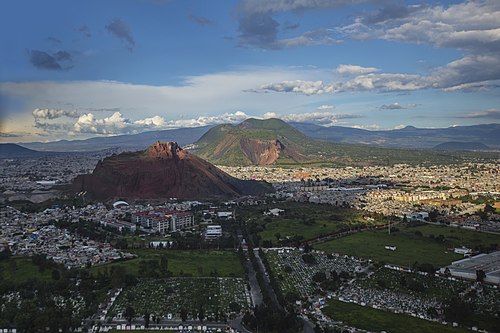
Tláhuac is a borough in Mexico City, located in the southeastern part of the capital. It is known for its rich cultural heritage, natural beauty, and significant historical importance. Originally an independent municipality, Tláhuac was incorporated into the Federal District in 2000 when Mexico City restructured its administrative divisions. The area was mainly agrarian for many years, preserving its rural charm, though it has experienced urbanization and growth in recent decades, leading to demographic changes as populations moved from other parts of Mexico City seeking affordable living options.
The borough features several natural attractions, including canals that hark back to the pre-Hispanic era when the area was part of the extensive lake systems of the Valley of Mexico. One notable feature is the Xochimilco canal system, which extends into Tláhuac. These canals are UNESCO World Heritage sites and are famous for their colorful trajineras (flat-bottomed boats), offering a glimpse into the traditional way of life and the agricultural practices that have persisted over centuries. In addition to its waterways, Tláhuac is home to the Sierra de Santa Catarina, a scenic mountain range that invites hikers and nature enthusiasts alike. The local flora and fauna are significant, as they provide a refuge for diverse ecosystems.
Culturally, Tláhuac is rich in traditions and festivals, reflecting the heritage of its indigenous roots. The borough hosts numerous celebrations that highlight its past, including the celebration of its patron saint, San Lorenzo, and the Day of the Dead festivities, which are particularly vibrant. Tláhuac is also known for its museums, markets, and artisanal crafts, showcasing the area’s history and ongoing cultural significance. As a part of Mexico City, Tláhuac is connected to the broader urban landscape while still maintaining a distinct identity that celebrates its historical and cultural essence. Despite challenges such as urbanization and infrastructure development, Tláhuac remains a unique and vibrant borough, contributing to the diverse tapestry of Mexico City.
Facts about Tláhuac
- Tláhuac is one of the 16 boroughs of Mexico City, known for its unique blend of urban and rural environments, featuring chinampas (floating gardens) that date back to the Aztec civilization.
- The area is rich in pre-Hispanic history, being the site of several archaeological investigations that have revealed artifacts and structures related to the Mexica civilization.
- Tláhuac hosts the largest population of the endangered Axolotl, a unique amphibian native to the region, which is a symbol of Mexican biodiversity.
- The borough is home to the Tláhuac Lagoon, a significant natural area that supports a variety of wildlife and offers recreational activities like kayaking and fishing.
- Tláhuac is known for its vibrant local festivities, including the annual Festivities of San Pedro, which showcases traditional food, music, and dance reflective of the area's cultural heritage.
- The Metro Line 12, also known as the Golden Line, connects Tláhuac to other parts of Mexico City, making it one of the better-connected boroughs within the capital.
- Tláhuac has a distinct artisanal tradition, including pottery and crafts known as 'barro negro,' which holds cultural significance and is recognized for its intricate designs.
- The borough features the Xochimilco Ecological Park, part of the UNESCO World Heritage Site of Xochimilco, known for its canals and colorful trajineras (boat taxis).
- Tláhuac is also characteristically known for its many festivals celebrating local traditions, including the popular 'Feria de la Nieve' that attracts visitors for its unique ice cream flavors.
- The population of Tláhuac is known for its deep-rooted community spirit, reflected in the many cooperative organizations that promote social welfare and local development.