Tlalnepantla, Mexico
- 653,410 people
- 8 places to visit
- 19.5361, -99.1968
Places to Visit (8)
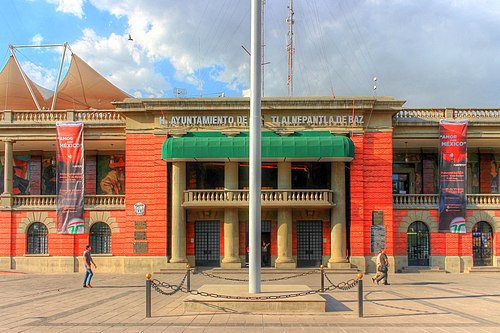
Tlalnepantla is a significant municipality and urban center located in the State of Mexico, directly northwest of Mexico City. With a rich historical background, its name stems from the Nahuatl language, meaning "land between rivers." Founded in the pre-Hispanic period, Tlalnepantla served as an important commercial and cultural hub. The city played a vital role during the colonial era, as it became an essential stop for travelers and traders between the capital and the northern territories of Mexico. Over the years, Tlalnepantla evolved from its agrarian roots into a thriving industrial and commercial center.
Today, Tlalnepantla is known for its diverse economy, featuring a mix of manufacturing, commerce, and service industries. The municipality hosts numerous industrial parks and is home to various national and international companies. The city is also a prominent residential area, drawing many people who commute to Mexico City for work. Tlalnepantla offers modern amenities, including shopping centers, schools, and cultural institutions. The area has several parks and recreational facilities, promoting a quality lifestyle for its residents. Its location allows easy access to major transportation routes, including the Mexico-Pachuca Highway and the Circuito Exterior Mexiquense, facilitating connectivity and growth.
Culturally, Tlalnepantla boasts a rich heritage, evident in its historic architecture and community celebrations. The town features notable landmarks such as the Church of San Bartolomé, a striking example of colonial architecture, and the old main plaza, which serves as a cultural focal point for residents. Local festivals and traditions reflect the city’s vibrant culture, blending indigenous and Spanish influences. Tlalnepantla also hosts various educational institutions, contributing to its reputation as an important educational center in the region. As a dynamic city with a blend of tradition and modernity, Tlalnepantla continues to grow while retaining its unique historical identity.
Facts about Tlalnepantla
- Tlalnepantla is home to the famous archaeological site of Teotihuacan, located just a short distance from the city's center, which features the iconic Pyramids of the Sun and Moon.
- The municipality is known for its vibrant arts and culture scene, including the annual Fiestas de San Juan Bautista, celebrating the local patron saint with parades, music, and traditional dances.
- Tlalnepantla was established as a colonial town in the 16th century, and its historical center features architectural landmarks such as the Parroquia de San Juan Bautista, which dates back to the colonial period.
- It has a rich indigenous history, with the name 'Tlalnepantla' translated as 'on the land of water,' reflecting its origins in the area of the Mexica and other pre-Columbian civilizations.
- The city is known for its strategic location, being a major industrial and commercial hub that connects Mexico City to other key regions in Mexico, contributing significantly to the economy.
- Tlalnepantla hosts the Casa de Cultura, which promotes local art, music, and traditional crafts, serving as an important cultural center for the community.
- The city boasts a diverse culinary scene, particularly known for its delicious tacos, quesadillas, and local dishes such as 'carnitas de gobierno,' a pork dish that is popular in the region.
- Tlalnepantla features various parks and green spaces, including the Parque de los Mármoles, which offers recreational areas, walking paths, and cultural events throughout the year.
- The city has a notable sports scene, with the Estadio de Tlalnepantla serving as a venue for local football matches and other sporting events.
- Historically, Tlalnepantla has been an important center for trade and commerce, with its traditional markets, such as the Mercado de Tlalnepantla, offering a wide range of local products and handicrafts.