Tlapa de Comonfort, Mexico
- 46,975 people
- 12 places to visit
- 17.5484, -98.5666
Places to Visit (12)
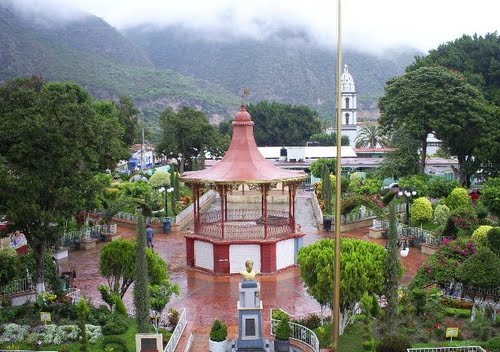
Tlapa de Comonfort is a city located in the region of the Sierra de Guerrero in southwestern Mexico. It serves as the municipal seat of the larger municipality of Tlapa, which is part of the state of Guerrero. The city is situated at an elevation of approximately 1,600 meters (5,250 feet) above sea level, making it one of the higher cities in the region. With a population of around 30,000 residents, Tlapa is an important cultural and economic center within Guerrero, connecting various Indigenous communities and contributing to the region's rich diversity.
The history of Tlapa de Comonfort is deeply intertwined with the Indigenous cultures that have inhabited the area for centuries. The city was founded in pre-Hispanic times and has been a significant site for various Mesoamerican civilizations, including the Nahua peoples. It was originally known as "Tlapanan" due to its location in the Tlapanec region, and its name was later changed in honor of Ignacio Comonfort, a Mexican military leader and president during the 19th century. The city reflects a blend of Indigenous and Spanish colonial influences, which can be seen in its architecture, traditions, and local festivals. Tlapa is also known for its vibrant market, where residents and visitors can sample local foods, crafts, and textiles, showcasing the area’s rich artisanal heritage.
Today, Tlapa de Comonfort plays a vital role in the regional economy, with agriculture being one of the main sources of livelihood for its inhabitants. The surrounding fertile lands allow for the cultivation of crops such as corn, beans, and various fruits. Additionally, the city serves as a pivotal point for trade and transportation, linking rural communities in the Sierra with larger urban centers. The presence of local health and education institutions further contributes to its significance. Although Tlapa has faced challenges such as economic disparities and violence linked to organized crime in Guerrero, it maintains a strong communal identity and resilience, striving for progress and cultural preservation amid the changing landscape of modern Mexico.
Facts about Tlapa de Comonfort
- Tlapa de Comonfort is located in the state of Guerrero, Mexico, and serves as an important cultural and economic center for the surrounding indigenous communities.
- The city is known for its rich indigenous heritage, primarily associated with the Mixtec and Nahua peoples, whose influence is evident in local traditions, crafts, and languages.
- Tlapa hosts the annual Feria de Tlapa, a vibrant festival celebrated each October, featuring traditional music, dance, crafts, and local gastronomy, attracting visitors from across the region.
- The town's historic center is home to the beautiful Parroquia de San Agustín, an 18th-century church that showcases colonial architecture and local artistry.
- In the early 20th century, Tlapa was a significant site during the Mexican Revolution, with various local leaders emerging from this area to fight for land rights and social justice.
- Tlapa is renowned for its traditional textile production, particularly the vibrant wool rugs and clothing known as 'rebozos,' which are crafted using age-old techniques passed down through generations.
- The local cuisine of Tlapa features unique dishes such as 'queso de piedra' (stone cheese) and various forms of tamales made with local ingredients, reflecting the region's culinary diversity.
- Tlapa de Comonfort is strategically positioned as a transport hub, providing access to the Sierra Madre del Sur mountains and serving as a gateway for visitors exploring Guerrero’s natural beauty.
- The city is surrounded by stunning landscapes, including the nearby Sierra de Tlapa, which offers opportunities for hiking and ecotourism, distinguishing it from urban centers in Mexico.
- Tlapa is recognized for its emphasis on education and community development, with several institutions promoting bilingual education to preserve indigenous languages and cultures.