Tlaxcala, Mexico
- 84,670 people
- 13 places to visit
- 19.3139, -98.2404
Places to Visit (13)
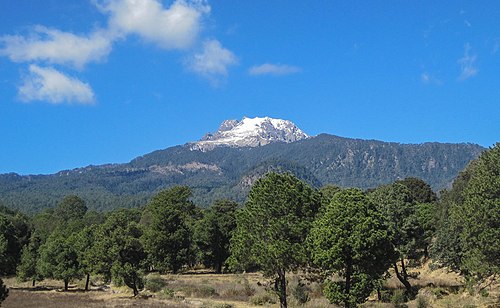
Tlaxcala, the capital city of the Mexican state of the same name, is notable for its rich history and cultural significance. It is located in the central part of the country, bordered by the states of Puebla, Veracruz, and the State of Mexico. With a population of approximately 100,000 residents, Tlaxcala is one of the smallest capitals in Mexico, yet it boasts a vibrant and unique identity. The city is renowned for its indigenous heritage, predominantly from the Nahua and Tlaxcalteca peoples, and plays a crucial role in Mexican history, especially during the Spanish Conquest. Tlaxcala was one of the few indigenous city-states that resisted Aztec domination and later allied with Hernán Cortés in the fight against the Aztecs, providing critical military support that ultimately led to the fall of Tenochtitlán.
The city's architecture reflects its historical significance, showcasing colonial-era buildings and a picturesque main square, known as the Plaza de la Constitución. Key landmarks include the 16th-century Cathedral of Tlaxcala, which features stunning baroque architecture, and the Royal Palace, a site that once served as the seat of government during the colonial period. Cultural life thrives in Tlaxcala, bolstered by various festivals and events, including the famous Tlaxcala Carnival, celebrated for its colorful costumes and traditional music. The arts scene is also vibrant, with a focus on traditional crafts such as weaving and pottery, distinct to the region. Additionally, Tlaxcala is surrounded by natural beauty, with the Sierra de Tlaxcala mountains offering opportunities for outdoor activities such as hiking and birdwatching. The rich tapestry of history, culture, and natural surroundings makes Tlaxcala a fascinating destination, reflecting both its indigenous roots and colonial influences.
Facts about Tlaxcala
- Tlaxcala is the smallest state in Mexico by area, covering just 3,991 square kilometers.
- It is known as the birthplace of the Mexican independence movement, with important contributions from Tlaxcalan leaders during the War of Independence.
- The city of Tlaxcala serves as the capital of the state and features a unique blend of pre-Hispanic and colonial architecture, including the beautiful Palacio de Gobierno.
- Tlaxcala is home to the only bullfighting school in Mexico, emphasizing its cultural significance to traditional bullfighting in the country.
- The region is famous for its vibrant traditional textile production, particularly the making of handwoven blankets known as 'rebozos'.
- Tlaxcala is one of the few places in Mexico where the ancient tradition of 'Danza de Los Quetzales' is performed, celebrating pre-Hispanic heritage.
- The state hosts the Festival Internacional del Arte ‘Tlaxcala’ annually, featuring various artistic expressions and performances that promote local culture.
- Tlaxcala has a notable archaeological site, Cacaxtla, famous for its murals and significant Olmec influence, distinguishing it from other archaeological locations.
- The state's natural landscape includes the scenic La Malinche National Park, named after the volcano that serves as a challenging hiking destination.
- Tlaxcala is recognized for its production of agricultural goods, particularly maize and barbacoa, contributing to its unique culinary landscape.