Tobruk, Libya
- 141,499 people
- 3 places to visit
- 32.0779, 23.9407
Places to Visit (3)
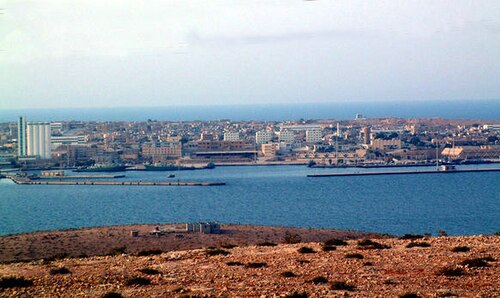
Tobruk is a port city located in the northeastern region of Libya, overlooking the Mediterranean Sea. It has been an important strategic location throughout history, serving as a trade hub and military stronghold due to its favorable natural harbor. The origins of Tobruk date back to ancient times, and it was known as Antipyrgos in Greek antiquity. The city has witnessed various civilizations, including the Romans, Byzantines, and Ottomans, which have all contributed to its rich cultural heritage.
In the 20th century, Tobruk gained international attention during World War II. The city was the site of significant battles between the Allied and Axis forces, with control of Tobruk changing hands several times. The Royal British Army famously laid siege to Tobruk, while it was held by the Axis powers, ultimately leading to the city’s liberation in 1941. The remnants of this tumultuous past are still evident today, with numerous historical sites, including fortifications and memorials commemorating those who fought during the conflict.
Modern Tobruk is characterized by its blend of tradition and development. The city serves as a vital commercial center and a gateway for trade in the eastern part of Libya. Its economy largely depends on fishing, tourism, and the oil industry, with nearby oil fields playing a significant role in national production. Additionally, Tobruk is home to several educational and cultural institutions, making it a focal point for learning and heritage in the region. Amidst the ongoing political challenges in Libya, Tobruk remains a symbol of resilience, with its history and cultural significance continuing to shape its identity in the contemporary era.
Facts about Tobruk
- Tobruk is known for its strategic location on the Mediterranean coast, serving as a key naval base throughout history.
- The city gained international attention during World War II, being the site of several significant battles, including the Siege of Tobruk.
- Tobruk is home to some of Libya's most important archaeological sites, including ancient ruins dating back to the Phoenician and Roman periods.
- The Tobruk International Port is one of the busiest ports in Libya and plays a critical role in the country's trade and economy.
- The city's architecture features a blend of historical influences, including Italian, Ottoman, and indigenous Libyan styles.
- Tobruk was the birthplace of Omar Mukhtar, a national hero and leader of the resistance against Italian colonial rule in Libya.
- The town hosts the Tobruk War Cemetery, which commemorates the soldiers of the Commonwealth who died during the Tobruk Campaign in WWII.
- Tobruk has a unique climate characterized by hot summers and mild winters, making it distinct from the predominantly desert climate of much of Libya.
- The city has a rich fishing tradition, benefiting from its coastal position and serving as a local hub for the fishing industry.
- Tobruk is known for the historic Tobruk Fortress, which dates back to the 16th century and has played a vital role in various military conflicts throughout Libyan history.