Tokushima, Japan
- 267,345 people
- 10 places to visit
- 34.0704, 134.555
Places to Visit (10)
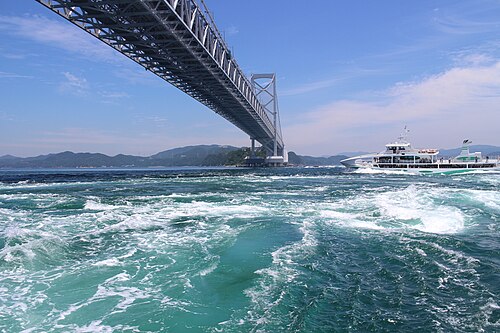
Tokushima is a city located on Shikoku Island, Japan, and serves as the capital of Tokushima Prefecture. Nestled at the confluence of the Yoshino River and the Seto Inland Sea, the city has a rich cultural heritage and natural beauty. With a population of approximately 260,000 people, Tokushima is known for its vibrant landscape, characterized by mountains, rivers, and coastal areas. The city benefits from a humid subtropical climate, with mild winters and warm, humid summers, making it an attractive destination for tourists throughout the year.
One of the most famous cultural events in Tokushima is the Awa Odori, a traditional dance festival that takes place in August. This lively celebration features groups of dancers performing the Awa Dance, accompanied by folk music, and attracts visitors from across Japan and around the world. The event has roots dating back to the 16th century and highlights the region's unique artistic traditions. Additionally, Tokushima is known for its local crafts such as indigo dyeing (Aizome) and traditional pottery, which reflect the historical significance of the region in Japan's artisan culture. Natural attractions include the Naruto whirlpools, which are formed in the Naruto Strait, and the nearby Iya Valley, famous for its breathtaking views and vine bridges.
Tokushima also serves as a hub for transportation, with several access points connecting it to other parts of Shikoku and the main islands of Japan. The city is home to various educational institutions, including Tokushima University, which contributes to its youthful and dynamic atmosphere. The economy of Tokushima is diverse, with agriculture, manufacturing, and tourism playing key roles. Agricultural products such as sudachi (a citrus fruit), wasabi, and rice are notable local specialties. Given its blend of natural wonders, cultural richness, and modern amenities, Tokushima is a city that captures the essence of both traditional and contemporary Japan.
Facts about Tokushima
- Tokushima is famous for its Awa Odori festival, one of Japan's most popular dances, held annually in August and attracting over a million visitors.
- The city is known for its unique and scenic Naruto whirlpools, which occur in the Naruto Strait and are a popular tourist attraction.
- Tokushima Prefecture is home to the Shikoku Pilgrimage, a famous 88-temple pilgrimage that draws many spiritual travelers and hikers to the region.
- The Tokushima Castle, built in the early Edo period, is one of the few original castles in Shikoku and offers a glimpse into Japan's feudal history.
- Tokushima has been a center for indigo dyeing (aizome) for centuries, making it a unique locality for traditional crafts in Japan.
- It is the birthplace of the 'shamisen,' a traditional Japanese musical instrument with a three-stringed design, rooted in the local culture.
- The city hosts the Tokushima International Film Festival, which showcases local and international independent films, enhancing its reputation in the arts.
- Tokushima is renowned for its distinctive local cuisine, including Tokushima ramen, characterized by its rich, soy sauce-based broth and toppings.
- The region’s natural beauty is highlighted by the Yoshino River, known for its scenic views and opportunities for outdoor activities such as rafting and fishing.
- Tokushima is one of the key areas for the production of crafts like Tosa paper and the tradition of hand-rolled paper lanterns, reflecting its artisanal heritage.