Toledo, Philippines
- 207,314 people
- 8 places to visit
- 10.387, 123.6503
Places to Visit (8)
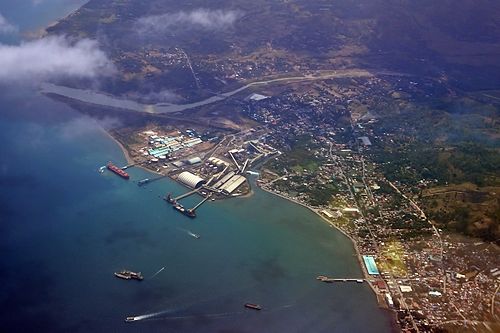
Toledo is a city located in the province of Cebu in the Philippines, situated approximately 50 kilometers southwest of Cebu City. As of the latest census, Toledo has a population of over 200,000 residents. It is known for its strategic coastal position along the Tanon Strait, which provides rich marine resources and connectivity to other parts of the Visayas region. The city is characterized by a mix of urban and rural environments, fostering a community that thrives on agriculture, fishing, and small-scale industries. Toledo serves as the administrative center for the surrounding municipalities, making it a hub for commerce and trade in the region.
Toledo is notable for its rich cultural heritage influenced by the Spanish colonial period, evident in its historical architecture and local festivals. The city celebrates the annual "Pasigarbo sa Cebu," a festival that showcases its vibrant culture through street dancing, food fairs, and cultural exhibits. Moreover, Toledo is home to several educational institutions, contributing to the local economy and community development. The presence of natural resources, particularly limestone, has led to the establishment of mining industries, significantly impacting the economic landscape. The city also boasts picturesque landscapes, including beaches and rolling hills, attracting both local and foreign tourists. Overall, Toledo reflects a dynamic blend of culture, history, and economic potential, making it a vital part of the Cebu province.
Facts about Toledo
- Toledo City is known as the 'Industrial City of the South' due to its significant contributions to the manufacturing and mining industries in the Philippines.
- The city is located near the western coast of Cebu Island, making it strategically positioned for trade and commerce.
- Toledo City has a rich history of mining, particularly known for its copper mines which were once among the largest in the country during the early 20th century.
- The city's name is derived from the Spanish city of Toledo, reflecting its colonial heritage and influence.
- Toledo City hosts the annual 'Toledo City Charter Day' celebration every May 24, commemorating its charter as a city in 1960.
- The city is home to the historical 'San Juan Nepomuceno Parish Church', which dates back to the Spanish colonial period and showcases Baroque architecture.
- Toledo is also known for its beautiful beaches and coastal areas, including the popular 'Maravilla Beach', attracting both locals and tourists.
- The local economy of Toledo City is bolstered by its agricultural sector, particularly the cultivation of sugarcane and coconut.
- Toledo City is recognized for its various cultural festivals, including the 'Pasigarbo sa Sugbo', highlighting its rich cultural heritage and vibrant community spirit.
- The city is also notable for the 'Toledo Fish Port Complex', which serves as an important trading hub for the fishing industry in the region.