Tonami, Japan
- 48,659 people
- 7 places to visit
- 36.6475, 136.9622
Places to Visit (7)
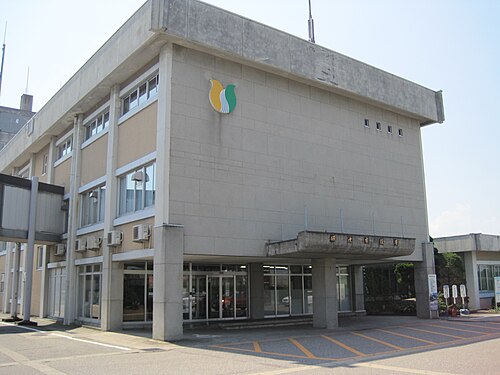
Tonami is a city located in Toyama Prefecture, Japan, positioned in the western part of the country on Honshu Island. As of recent estimates, it has a population of around 35,000 residents and covers an area of approximately 299 square kilometers. The city is known for its rich cultural heritage, agricultural products, and beautiful natural landscapes, which include views of the surrounding mountains, particularly the Northern Japan Alps. Established as a city in 1954, Tonami boasts a unique blend of traditional and modern influences, making it a notable destination for both tourists and residents alike.
One of Tonami's most famous contributions to Japanese culture is its production of tulips. The region’s favorable climate and soil conditions have made it a center for tulip cultivation, with the annual Tonami Tulip Fair drawing visitors from across Japan and beyond. The fair features millions of blooming tulips in a vibrant array of colors, alongside local food stalls and cultural performances, celebrating the arrival of spring. Additionally, Tonami is recognized for its strong agricultural output, producing rice and other crops, as well as traditional crafts such as Tonami pottery, which highlights the city’s historical connection to craftsmanship and artistry.
Tonami also offers various attractions that showcase its historical and cultural significance. The city hosts the Tonami Yaki, a type of traditional pottery renowned for its durability and unique glaze, which dates back to the Edo period. Visitors can explore art museums and galleries featuring local artists, alongside historic temples that reflect the area's spiritual heritage. Moreover, the surrounding natural scenery provides ample opportunities for outdoor activities like hiking and bird watching, particularly in the nearby Tonami High Plains. With its rich agricultural traditions, cultural events, and scenic beauty, Tonami stands out as a charming representation of rural Japan.
Facts about Tonami
- Tonami is renowned for its tulip fields, which bloom in vibrant colors during the annual Tonami Tulip Festival, attracting visitors from across Japan and beyond.
- The city is home to the Tonami Railway, a unique narrow-gauge railway that has historical significance in the region.
- Tonami is known for producing high-quality rice, particularly the Koshihikari variety, renowned for its taste and texture.
- The city boasts the Tonami Art Museum, which features a collection of contemporary Japanese art as well as local artists.
- Tonami has a rich tradition of Urushi lacquerware, with artisans practicing this ancient craft, setting it apart from many other regions in Japan.
- The city's history includes a significant role in the silk industry during the Meiji Era, contributing to its economic development.
- Tonami is famous for its annual Tonami Shimenawa Festival, where large straw ropes are displayed and used in traditional rituals.
- The Tonami Tulip Park is one of the largest parks of its kind in Japan, covering approximately 4.5 hectares, and showcases over a million tulips in bloom.
- Tonami is located near the iconic Tateyama Mountain Range, offering stunning natural scenery and outdoor activities for hiking enthusiasts.
- It was the first city in Japan to establish a vocational school for the production of tulips, contributing to the area's specialization in floriculture.