Torrelavega, Spain
- 55,297 people
- 10 places to visit
- 43.3489, -4.0502
Places to Visit (10)
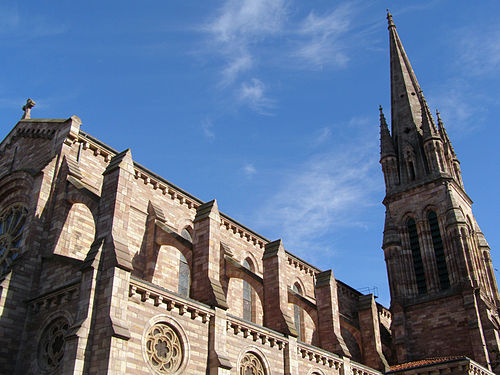
Torrelavega is a city located in the autonomous community of Cantabria in northern Spain. It lies approximately 10 kilometers southwest of the regional capital, Santander, and has a population of around 56,000 residents, making it one of the most populous cities in the region. Established in the early 20th century as a hub for the local timber industry and textile manufacturing, Torrelavega's economy has diversified over the years. Today, it is considered an important commercial and industrial center, with sectors including food processing, chemicals, and logistics playing significant roles in its economic landscape. The city's strategic location along the N-611 road and its proximity to the Cantabrian Sea further enhance its importance as a transportation and trade hub.
The city is also known for its rich cultural heritage and vibrant urban life. One of the city's key architectural highlights is the Church of Santiago, a neo-Gothic structure dating back to the 18th century. Torrelavega hosts various fairs and festivals throughout the year, including the Festivities of San Juan in June, which feature parades, music, and traditional food. The local gastronomy reflects the region's agricultural roots, with dishes that include regional specialties such as cocido montañés, a hearty stew, and a variety of fresh seafood, highlighting the city’s connection to its coastal surroundings. Additionally, Torrelavega is home to several parks and green spaces, promoting outdoor leisure activities and contributing to the city's quality of life. As a growing urban center, Torrelavega represents a blend of tradition and modernity, making it an intriguing destination for both residents and visitors.
Facts about Torrelavega
- Torrelavega is known as the industrial capital of Cantabria, distinguished by its robust manufacturing sector, particularly in the production of pharmaceutical and chemical products.
- The city features the iconic Church of Santiago, built in the 18th century, which is a prime example of Neoclassical architecture in the region.
- Torrelavega hosts the annual 'Feria de la Primavera', a spring fair that showcases local agriculture, artisan crafts, and traditional music, making it a unique cultural event in the area.
- The city is located near the Besaya River, which has been crucial to its development and serves as a scenic area for residents and visitors alike.
- Torrelavega was one of the first Spanish cities to establish a municipal slaughterhouse, a significant industry that contributed to its economic growth in the early 20th century.
- The town is famous for its 'Pueblo del Agua' project, an environmental initiative that aims to integrate water management and urban development sustainably.
- Torrelavega boasts the 'Calle del Rio', a picturesque street lined with vibrant cafes and shops, which serves as the social hub of the city.
- The city has a rich history dating back to the Roman era, with archaeological findings that include remnants of Roman settlements near the region.
- Torrelavega is home to the unique Festival of San Juan, where residents celebrate the summer solstice with bonfires and traditional festivities, distinct from other regional celebrations in Spain.
- The city's modern railway station connects Torrelavega efficiently to major cities in Spain, enhancing its significance as an economic and logistical center in northern Spain.