Tortosa, Spain
- 35,143 people
- 6 places to visit
- 40.8126, 0.5214
Places to Visit (6)
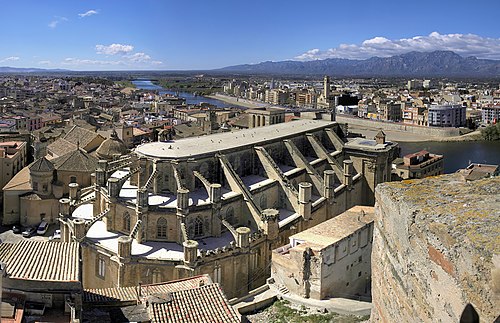
Tortosa is a historic city located in the province of Tarragona, within the autonomous community of Catalonia, Spain. Situated along the Ebro River, it is approximately 160 kilometers southwest of Barcelona. The city has a population of around 33,000 residents and serves as the capital of the Baix Ebre comarca. Tortosa's strategic position has made it a significant crossroads throughout history, influencing its development and cultural heritage. The area has been inhabited since prehistoric times, with various civilizations, including the Iberians, Romans, and Moors, leaving their mark on the city’s architecture and culture.
One of Tortosa's most notable landmarks is the imposing Tortosa Cathedral, also known as the Cathedral of Santa Maria, which showcases a mixture of Gothic and Romanesque architectural styles. Construction began in the 12th century and continued into the 18th century, making it a prominent example of the region's religious architecture. The city's historic quarter is a labyrinth of narrow streets filled with medieval structures, including the remains of the Arab castle, the Royal Palace, and several churches that reflect the city’s diverse cultural heritage. Tortosa also boasts a rich gastronomic tradition, with local dishes that prominently feature ingredients from the fertile Ebro Delta, such as rice and fresh seafood. The region is particularly known for its rice cultivation, a cornerstone of Mediterranean cuisine.
Tortosa celebrates several local festivals that highlight its cultural richness, including the picturesque Festa del Renaixement, which takes place every two years and transforms the city into a Renaissance-era spectacle, complete with markets, performances, and period costumes. The city also serves as a gateway to the natural beauty of the surrounding areas, including the Ebro Delta Natural Park, a UNESCO Biosphere Reserve renowned for its biodiversity. This combination of natural charm, historical significance, and vibrant cultural life makes Tortosa a unique destination for both tourists and locals alike, reflecting the rich tapestry of Catalonian identity.
Facts about Tortosa
- Tortosa is home to the impressive Cathedral of Santa Maria, which showcases a mix of architectural styles, including Gothic and Baroque, and has been recognized as a cultural landmark.
- The city played a significant role during the Spanish Civil War, and its historical sites, such as the castle of La Suda, provide insights into the region's turbulent past.
- Tortosa's historic old town features well-preserved medieval buildings, including the ancient Jewish quarter, which is one of the best-preserved in Spain.
- Each year, Tortosa hosts the 'Fires de la Santa Creu,' a traditional festival that celebrates local culture with parades, music, and gastronomy, unique to the region.
- The Ebro River runs through Tortosa, and the area hosts one of the largest wetland reserves in Catalonia, known as the Delta de l'Ebre, recognized for its biodiversity and natural beauty.
- Tortosa is often referred to as the 'Capital of the Ebro,' highlighting its strategic importance in the region's trading and cultural exchanges throughout history.
- The city's history dates back to Roman times, evidenced by numerous archaeological findings, including remnants of an ancient Roman bridge and forums.
- Tortosa has a rich artistic heritage, which is celebrated at the Sculpture and Modern Art Museum, showcasing works from both local and international artists.
- The annual Tortosa Music Festival attracts performers and audiences from around the world, emphasizing the city's commitment to the arts and cultural diversity.
- Home to a vibrant culinary scene, Tortosa is known for its unique dishes that blend traditional Spanish cuisine with influences from the Mediterranean and the nearby Ebro Delta.