Totana, Spain
- 29,211 people
- 11 places to visit
- 37.7701, -1.4991
Places to Visit (11)
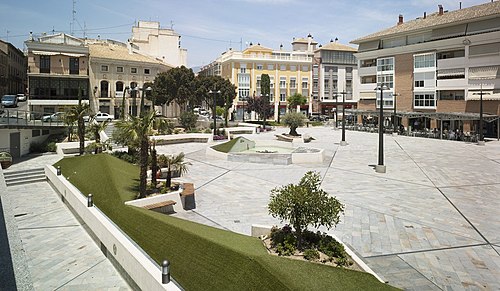
Totana is a municipality located in the Region of Murcia, Spain, known for its rich cultural heritage and agricultural significance. Situated about 40 kilometers southwest of the regional capital, Murcia, Totana is nestled in a valley surrounded by mountains, providing a picturesque landscape. The area has a long history, with evidence of settlement dating back to prehistoric times. The town's origins are often linked to the Roman period, as it was believed to be the site of the ancient city of "Tobantia," which thrived in agriculture and commerce. Today, Totana celebrates this historical legacy through various archaeological sites and a local museum that showcases its past.
The economy of Totana is predominantly based on agriculture, with the fertile plains enabling the cultivation of a wide array of crops, including fruits, vegetables, and ornamental plants. The area is particularly known for its production of almonds, olives, and artichokes. In addition to agriculture, Totana is also recognized for its pottery and ceramics, a traditional craft that has been passed down through generations. The annual Feria de Totana, a popular local festival, attracts visitors with its vibrant atmosphere, featuring traditional music, dance, and culinary delights that reflect the town's cultural richness. As a destination, Totana offers a mix of natural beauty, historical significance, and community spirit, making it a unique representative of the Region of Murcia.
Facts about Totana
- Totana is known for its rich archaeological heritage, particularly the site of La Bastida, which dates back to the Bronze Age and provides insights into ancient Iberian culture.
- The town is famous for its pottery, particularly the traditional 'cerámica de Totana,' which has been produced here for centuries and reflects the craftsmanship of the region.
- Totana celebrates the 'Fiesta de la Santísima y Vera Cruz,' a unique religious festival every May that includes colorful processions and traditional Spanish music, attracting visitors from various regions.
- The nearby Sierra Espuña mountains offer diverse outdoor activities, making Totana a gateway for hiking and mountain biking enthusiasts looking to explore natural landscapes.
- Totana has a rich agricultural tradition, especially in growing fruits and vegetables, and is known for producing high-quality garlic and artichokes exported throughout Spain.
- The town's historic center features the beautiful 18th-century Church of Santiago, which showcases stunning baroque architecture, distinguishing it from many other church designs in Spain.
- Totana hosts the annual 'Muestra de Teatro Aficionado,' a notable amateur theater festival that promotes local talent and cultural initiatives, setting it apart from other cultural events in the region.
- The municipality is home to the unique 'Tamarindo de Totana,' a domesticated tree variety used for food and traditional crafts that is rarely found in other Spanish towns.
- In the late 19th century, Totana became known for its textile industry, particularly the production of linen and cotton, contributing to the economic development of the region.
- Totana is situated on the historic route of the Mediterranean Sea and has played a role in various historical trade routes, making it a point of interest for those studying the economic history of Spain.