Totonicapán, Guatemala
- 103,952 people
- 4 places to visit
- 14.9173, -91.3614
Places to Visit (4)
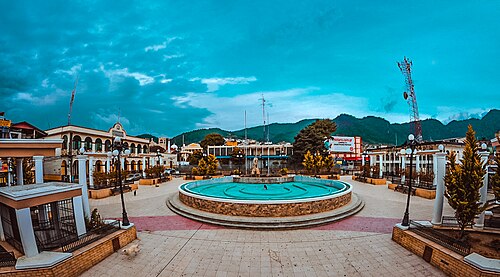
Totonicapán is a city located in the highlands of Guatemala, serving as the administrative and cultural capital of the Totonicapán Department. Nestled at an elevation of approximately 2,400 meters (about 7,900 feet), it is surrounded by stunning mountainous landscapes, which contribute to its temperate climate. The city is known for its rich indigenous heritage, primarily associated with the K'iche' Maya people. This historical backdrop influences the local customs, traditions, and language, with many residents predominantly speaking K'iche’ alongside Spanish.
Economically, Totonicapán relies on agriculture, with coffee, corn, and vegetables being the primary crops cultivated in the region. The local market is vibrant, featuring a wide array of handmade textiles, crafts, and traditional foods that reflect the area's cultural identity. This artisanal sector plays a crucial role in the community's economy, supporting local families and preserving traditional skills. Additionally, Totonicapán is noted for its impressive natural resources, including hot springs and the nearby volcanic landscape of the region, which attracts ecotourism.
The city is home to various cultural and historical sites, such as churches and colonial-era buildings that showcase its past. Festivals are abundant in Totonicapán, celebrating both Catholic and indigenous traditions, which serve to strengthen community ties and ensure the continuation of their rich cultural heritage. Notably, the town hosts the annual Festival of Santo Tomás, a significant event that draws participants from surrounding areas and highlights the region's distinct cultural practices. Through its vibrant community and rich history, Totonicapán stands as an important symbol of Guatemala's indigenous identity and cultural diversity.
Facts about Totonicapán
- Totonicapán is known for its significant indigenous K'iche' Maya population, with a rich cultural heritage that is distinct from other regions of Guatemala.
- The city has a unique tradition of weaving, particularly the production of traditional clothing and textiles, which are recognized for their vibrant colors and intricate designs.
- Totonicapán is home to the impressive church of San Miguel Arcángel, which dates back to the colonial period and showcases beautiful Baroque architecture.
- The annual Feria de la Paz y el Desarrollo (Festival of Peace and Development) is celebrated in Totonicapán, marking a significant local event that features traditional music, dance, and cultural exhibitions.
- Totonicapán has a rich history of resistance, being a center for indigenous movements, particularly during the Guatemalan Civil War, which has shaped its contemporary political landscape.
- The area is famous for its natural thermal springs, such as those found in the nearby town of San Andrés Xecul, attracting both tourists and locals for relaxation and wellness.
- Totonicapán's geographical location provides stunning views of the surrounding highlands and volcanos, distinguishing it from many other cities in Guatemala.
- The city is one of the oldest in Guatemala, with historical roots that trace back to Pre-Columbian times, and has archaeological sites that reflect its ancient Maya heritage.
- The local markets in Totonicapán are renowned for the variety of artisanal goods and fresh produce, making them a vibrant hub for both commerce and cultural exchange.
- Totonicapán hosts a unique celebration called 'El Día de los Muertos' (Day of the Dead), where traditional rituals are blended with rich indigenous practices, showcasing the area's distinct cultural identity.