Toulon, France
- 168,701 people
- 18 places to visit
- 43.1242, 5.928
Places to Visit (18)
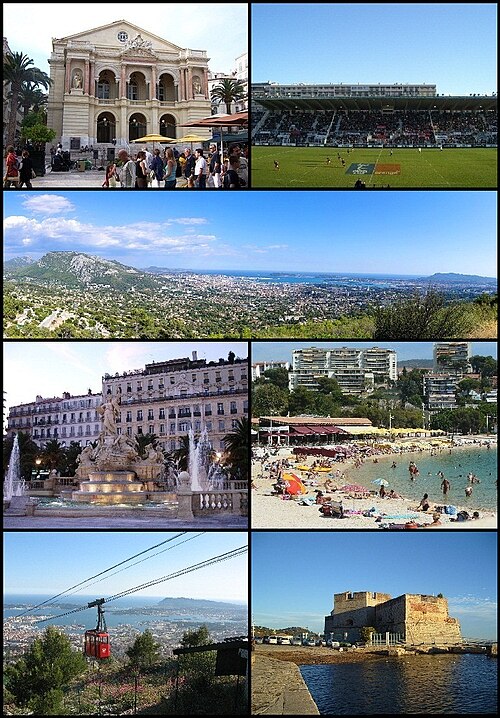
Toulon is a significant city located on the Mediterranean coast in the Provence-Alpes-Côte d'Azur region of southeastern France. It serves as the capital of the Var department and is known for its strategic military port, which has historically played a vital role in French naval operations. The city has a population of approximately 170,000 residents, making it one of the largest urban centers in France. The picturesque setting of Toulon features a natural harbor surrounded by hills and cliffs, contributing to its appealing seaside atmosphere. The influences of its Mediterranean climate result in mild winters and hot summers, making it a popular destination for tourists.
Toulon boasts a rich history dating back to its founding as a Roman settlement, known as Telo Martinus. Over the centuries, it has evolved significantly and has been shaped by various cultural influences, including its maritime heritage. The city's historical architecture reflects this blend, with landmarks such as the 17th-century Saint Marie de la Seds Cathedral and the nearby Tour Royale, a fortified structure built in the 16th century. Toulon's bustling port is not only a hub for the French Navy but also serves commercial and cruise lines, enhancing its economic landscape. The city's economy is further supported by sectors including tourism, shipping, and trade, thanks to its vibrant waterfront and historic sites.
In recent years, Toulon has gained recognition for its cultural offerings, including festivals, art exhibitions, and culinary events that celebrate Provençal cuisine. The local gastronomy is characterized by the use of fresh seafood and regional produce. The city also has a thriving market scene, with the old market hall, Les Halles, serving as a focal point for local food and goods. Additionally, Toulon is home to various educational institutions and boasts a unique blend of outdoor recreational opportunities, including access to beautiful beaches and nature parks. With its rich heritage, stunning landscapes, and contemporary urban life, Toulon remains a noteworthy location for residents and visitors alike.
Facts about Toulon
- Toulon is the French Navy's main Mediterranean base, housing a significant naval port and military infrastructure.
- The city's harbor is one of the most protected natural harbors in Europe, making it an ideal location for naval operations.
- Toulon is known for its annual Festival of Musiques d'Été, which showcases a variety of musical performances and draws large crowds during the summer months.
- The Mont Faron, accessible by a cable car, offers panoramic views of Toulon and the surrounding coastline, distinct to the city compared to other French cities without such elevation.
- Toulon is famous for its production of a unique local rosé wine known as Côtes de Provence, which is highly regarded in wine tastings across the globe.
- The city is home to the historic Tour Royale, a 16th-century fortress that served as a defensive structure against maritime attacks and is one of the few remaining examples of military architecture from that era.
- The Toulon Opera House, built in 1862, is notable for its beautiful neoclassical architecture and serves as a cultural centerpiece showcasing opera and classical music performances.
- Toulon hosts a diverse cultural festival called La Fête de la Musique, celebrated on June 21st, where musicians of all genres perform in various locations throughout the city.
- The city played a crucial role during World War II, serving as a significant German U-boat base and later as a landing site for Allied forces during the liberation of France.
- Toulon is recognized as the birthplace of the French National Anthem, 'La Marseillaise,' as it was written by Claude Joseph Rouget de Lisle while he was stationed in the city.