Tracy CA, United States
- 87,075 people
- 17 places to visit
- 37.7396, -121.426
Places to Visit (17)
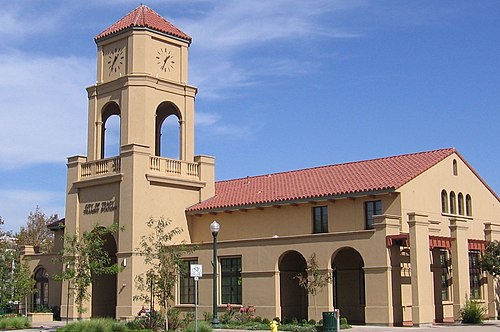
Tracy, California, located in San Joaquin County in the Central Valley, is a city that blends suburban charm with agricultural roots. Established in the late 19th century, Tracy was founded as a railroad town when the Central Pacific Railroad extended its line through the area in 1876. It was named after Lathrop's private landholder, B.F. Tracy, and has since evolved from a rural community to a bustling suburban city. According to the 2020 U.S. Census, Tracy had a population of over 90,000 residents, reflecting its rapid growth, particularly in the late 20th and early 21st centuries, as families and individuals moved from nearby urban centers like San Francisco and Oakland in search of more affordable housing and a quieter lifestyle.
Tracy's economy historically centered on agriculture, benefitting from the fertile lands of the San Joaquin Valley, where crops such as tomatoes, almonds, and grapes thrive. However, the local economy has diversified significantly, with major employment sectors now including retail, manufacturing, and logistics. Tracy is strategically located near several major highways, such as Interstate 205, which connects to Interstate 5, providing easy access to the larger Bay Area and Central Valley markets. The city boasts numerous amenities, such as parks, shopping centers, and recreational facilities, catering to its growing population. The Tracy Sports Complex and the Tracy City Center serve as hubs for community events and leisure activities.
Culturally, Tracy hosts a variety of events that reflect the diversity of its residents, including the Tracy Dry Bean Festival and the annual Tracy Riggs Rodeo. These events foster a sense of community and highlight the city’s agricultural heritage. Tracy also values education, with a number of public and private schools serving the community, as well as proximity to higher educational institutions within the region. As Tracy continues to expand, it retains its small-town feel while embracing the challenges and opportunities that come with urban development. The combination of a strong community spirit, diverse economic opportunities, and a commitment to maintaining quality of life makes Tracy a distinctive and appealing place to live in California.
Facts about Tracy
- Tracy, CA was originally founded as a railroad town in the 19th century, specifically established in 1878 as a stop along the Southern Pacific Railroad.
- Tracy is known for its unique geology, lying at the edge of the San Joaquin Valley, which has made it an agricultural hub with rich soil ideal for farming.
- The city hosts the annual Tracy Dry Bean Festival, celebrating the region's agricultural roots and promoting the versatile dry bean as a key local crop.
- Tracy is home to the Tracy Transload Facility, which facilitates the transportation of goods, being a vital link in supply chains across California.
- In 2008, Tracy was named one of the fastest-growing cities in California, reflecting its rapid population increase and urban development over the past two decades.
- The city is linked closely with the California Delta, providing residents access to nearby recreational activities including boating, fishing, and nature exploration.
- Tracy is home to the historic Grand Theatre, built in the early 20th century, serving as a cultural landmark and venue for various performances and events.
- The Tracy City Center Association promotes local businesses and community events, making the downtown area a vibrant social hub within the city.
- Tracy's location near major highways such as I-205 and I-5 makes it an important transportation crossroads for regional logistics and commuting to the Bay Area.
- In 2021, Tracy was recognized as one of the 'Best Places to Live in California' by various rankings due to its family-friendly environment and rich community life.