Trapani, Italy
- 67,531 people
- 18 places to visit
- 38.0174, 12.5364
Places to Visit (18)
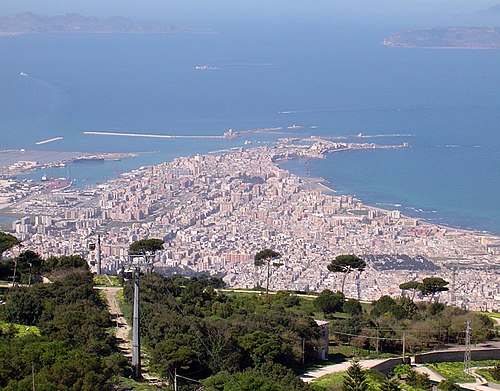
Trapani is a port city located in the western part of Sicily, Italy, known for its rich history, picturesque landscapes, and significant agricultural products, notably salt and wine. The city's history dates back to ancient times, with its origins thought to be linked to the Elymian civilization. Trapani flourished under various rulers, including the Phoenicians, Romans, and Arabs, which has left a lasting influence on its culture, architecture, and local economy. Today, the historic center features a blend of styles, including Baroque, Gothic, and Renaissance elements, best exemplified by remarkable sites like the Church of Santa Maria del Gesù and the stunning cathedral of San Lorenzo.
The economy of Trapani is primarily driven by its port activities, agriculture, and tourism. The surrounding region is famous for its production of Marsala wine and its salt flats, which are now part of the Stagnone Nature Reserve. This area, with its traditional windmills and stunning landscapes, is a testament to Trapani’s historical reliance on salt production, which dates back to ancient times. Tourists visiting Trapani can explore its vibrant markets, enjoy delicious local cuisine—which features an array of seafood— and take day trips to nearby attractions, including the ancient ruins of Segesta, the beautiful Aegadian Islands, and the spectacular Erice, a hilltop town offering panoramic views of the coastline. Thus, Trapani serves not just as a gateway to Sicily’s natural and cultural treasures but also as a thriving hub of local traditions and history.
Facts about Trapani
- Trapani is known for its unique shape resembling a small triangle, surrounded by ancient city walls and the Mediterranean Sea.
- The city is famous for its production of Marsala wine, a fortified wine that originated from the region in the late 18th century.
- Trapani is home to the ancient salt pans, known as 'Saline di Trapani', which have been used since Roman times and are now a protected nature reserve.
- The city served as a significant port for both the Phoenicians and the Normans, which has greatly influenced its cultural and architectural heritage.
- Trapani hosts the annual 'Couscous Fest', celebrating the multicultural influences of the Mediterranean through food and music.
- The baroque-style Church of Sant'Agostino in Trapani houses works by the notable Sicilian artist, Antonello Gagini, showcasing the city's rich artistic history.
- One of the most recognizable landmarks is the Torre di Ligny, a historic watchtower that dates back to the 17th century and offers stunning views of the coastline.
- Trapani is the gateway to the Aegadian Islands, an archipelago known for pristine beaches and underwater archaeological sites, attracting tourists and divers alike.
- The city has a unique tradition of 'Vara', a wooden structure carried in a procession during the annual Feast of Saint Angel, reflecting its deep-rooted religious customs.
- Trapani's historic center features a combination of Arabic, Norman, and Baroque architecture, showcasing a rich tapestry of influences from different periods in history.