Trebišov, Slovakia
- 22,947 people
- 11 places to visit
- 48.6285, 21.7156
Places to Visit (11)
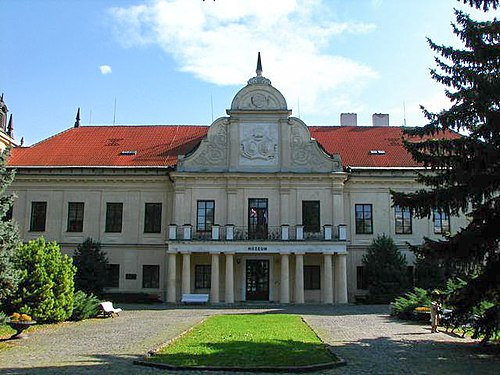
Trebišov is a town located in eastern Slovakia, within the Košice Region. Straddling the borders of the Zemplín and the Great Hungarian Plain, it sits at the confluence of the Slaná and Laborc rivers, providing a picturesque setting that has shaped its historical significance. The town's origins trace back to the early medieval period, with its first documented mention occurring in 1243. Historically, Trebišov served as a crucial hub for trade due to its strategic location along key transit routes. Throughout the centuries, it underwent various cultural and administrative changes, reflecting the broader socio-political transformations in the region, including the influence of the Hungarian Kingdom and later the Austro-Hungarian Empire.
Trebišov features a mix of architectural styles, with remnants of its medieval past evident in buildings such as the Church of St. Francis of Assisi, which dates back to the 13th century. The town also boasts several historical monuments that showcase its rich heritage, including the well-preserved several manor houses that reveal influences from various architectural movements. In contemporary times, Trebišov has developed into a small industrial and agricultural center, with a population of approximately 14,000 residents. While industry has grown, agriculture remains vital, particularly fruit cultivation, taking advantage of the fertile soils and temperate climate. The surrounding countryside is characterized by scenic landscapes, making Trebišov an attractive destination for visitors interested in nature and outdoor activities.
Culturally, Trebišov is home to various events and festivals that celebrate Slovak traditions and heritage. The town's community life is vibrant, bolstered by local organizations and social initiatives that promote cultural awareness and public engagement. Educational institutions in Trebišov include primary and secondary schools, contributing to the town's relatively high literacy rate. Although it may not be as well-known as Slovakia's larger cities, Trebišov's historical significance, cultural richness, and scenic environment make it a noteworthy spot in this central European country.
Facts about Trebišov
- Trebišov is home to the unique Trebišov Castle, which showcases Renaissance architecture and was built in the 16th century.
- The city is strategically located at the confluence of the Bodrog and Slaná rivers, making it an important historical trading hub.
- Trebišov has a rich Jewish heritage, with several historical synagogues that reflect the community's architectural and cultural significance before World War II.
- The annual Trebišov Michalovce Festival celebrates local culture and traditions, drawing visitors from across the region each autumn.
- Trebišov is known for its agricultural production, particularly in vineyards and fruit orchards, which contribute to the local economy.
- The city features the 'City Park of Trebišov,' a well-preserved green space that offers recreational opportunities and hosts various community events.
- Trebišov serves as a gateway to the Eastern Slovak lowlands, providing access to natural parks and wildlife, distinguishing it from many urban areas in Slovakia.
- The city's history dates back to the Middle Ages, and it was granted town rights in 1360, showcasing its long-standing importance in the region.
- Trebišov has a vibrant multicultural community, with influences from Slovak, Hungarian, and Romani cultures enriching local traditions and festivals.
- The local economy is diversified, with a mix of agriculture, trade, and small-scale manufacturing, setting it apart from more industrialized Slovak cities.