Treviglio, Italy
- 24,937 people
- 13 places to visit
- 45.5212, 9.5927
Places to Visit (13)
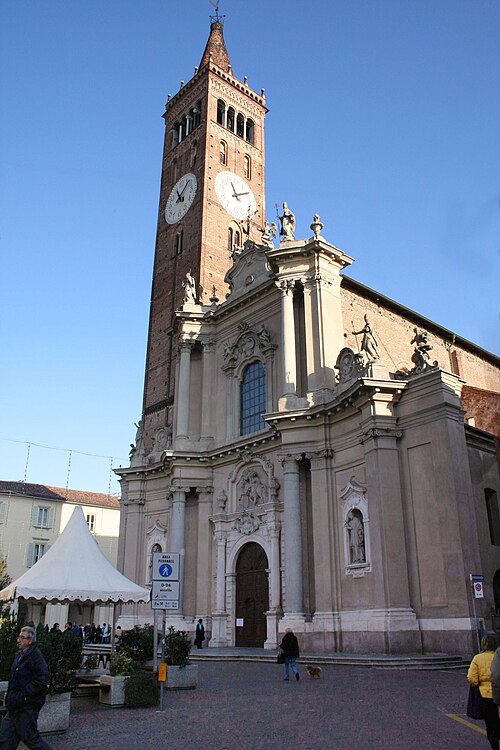
Treviglio is a charming town located in the northern part of Italy, specifically in the region of Lombardy. It is situated approximately 40 kilometers northeast of Milan and has a population of around 30,000 residents. Treviglio serves as an important agricultural and commercial center in the province of Bergamo. Historically, it has roots dating back to the Roman period, with archaeological evidence indicating that it was a significant settlement known as Trebilium. Throughout the Middle Ages, Treviglio flourished, particularly as a trading hub due to its strategic location along the trade routes connecting northern Italy with the rest of Europe.
The town is characterized by its rich architectural heritage, with several notable landmarks that reflect its historical significance. One of the most prominent is the Basilica di Santa Maria Assunta, an impressive church that showcases a blend of Gothic and Renaissance styles. Built between the 15th and 17th centuries, it houses valuable artworks, including paintings by local artists. In addition to the basilica, Treviglio features picturesque piazzas, such as Piazza Garibaldi, where residents and visitors can enjoy local cafés and shops. The town's economy has modernized over the years, transitioning from traditional agriculture to a more diverse industrial base, including textiles, manufacturing, and commerce, but it still retains a strong connection to its agrarian roots.
Transportation is another notable feature of Treviglio, as it is well-connected by rail and road, making it an ideal location for commuters heading to nearby cities like Milan and Bergamo. The independent train station offers frequent services that link Treviglio to major urban centers, enhancing its appeal for both residents and businesses. The town is also surrounded by beautiful countryside, which offers opportunities for outdoor activities such as hiking and cycling. Additionally, Treviglio hosts various cultural events, particularly during the summer, which celebrate its rich heritage and community spirit. Overall, Treviglio stands out as a vibrant town that elegantly marries historical significance with modern development, making it an attractive destination for visitors and a pleasant residence for its inhabitants.
Facts about Treviglio
- Treviglio is known for its historical connection to the Battle of Castelnovo in 1442, which was fought near the town during the conflict between Milan and Venice.
- The city is home to the Basilica of San Martino, a notable example of Gothic architecture that houses an impressive altar and beautiful frescoes.
- Treviglio is famous for its traditional 'falconry', which has deep historical roots in the region and attracts enthusiasts and tourists.
- Every year, Treviglio hosts the 'Fiera di San Martino', a fair that celebrates the patron saint of the city and features local food, crafts, and entertainment.
- Treviglio was the birthplace of Giovanni Battista Tiepolo, a renowned Venetian painter and one of the greatest exponents of the Rococo style.
- The city's textile industry has a long-standing history, particularly known for silk production, which was a crucial economic driver in the past.
- Treviglio is strategically located between Milan and Bergamo, making it an important transportation hub in Lombardy.
- The town features the historic 'Piazza Matteotti', a central square lined with picturesque buildings and a vibrant atmosphere, hosting various local events.
- Treviglio still retains some remnants of its medieval walls, distinguishing it from many other towns that have lost such structures.
- The city is recognized for its commitment to environmental sustainability, being involved in projects aimed at reducing energy consumption and promoting green spaces.